RAYMOND CHENAULT – red climber rose - Kordes
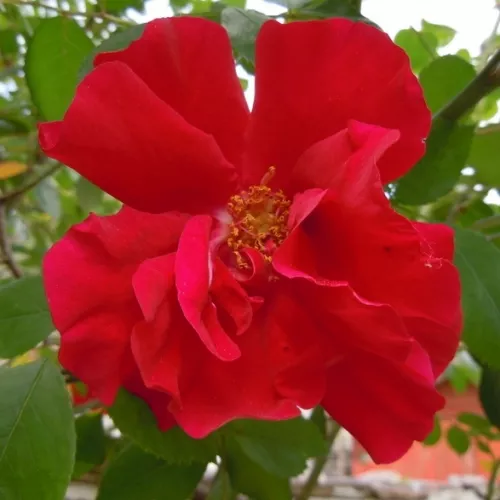
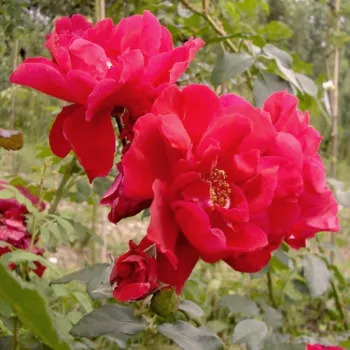
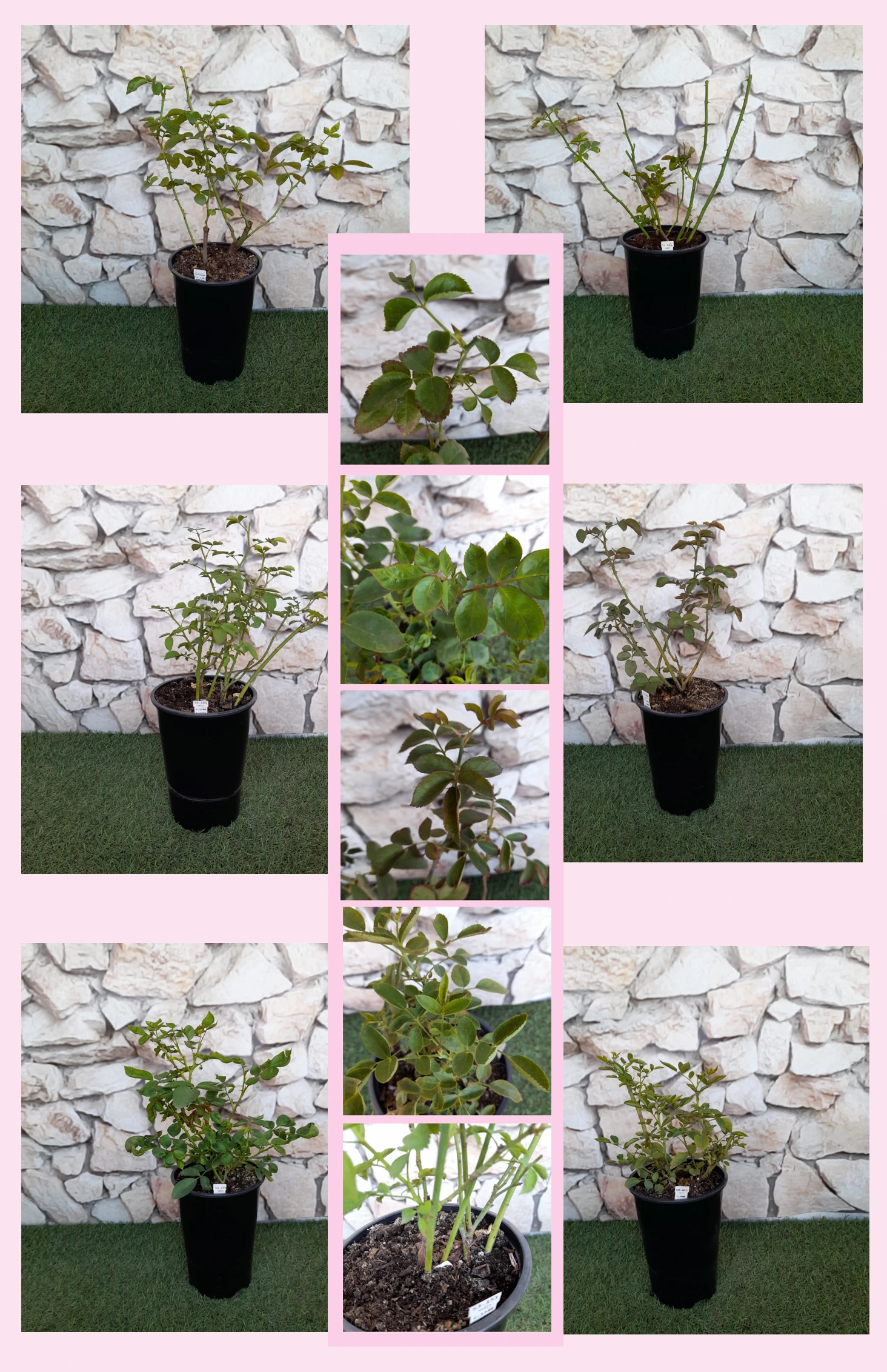
Bring a touch of storybook romance to an everyday family garden with ‘Raymond Chenault’, a reliable red climber that clothes arches, fences and walls in glowing colour while coping well with breezy, damp British weather and naturally challenging coastal conditions. Its semi-double blooms combine a clear, non-fading scarlet colour with a medium, spicy-berry fragrance, creating a cosy, afternoon-tea atmosphere beneath an arbour or pergola. On its own roots this variety builds a deep, durable structure, regenerating steadily after pruning and supporting a long ornamental life with fewer complicated tasks. You plant once, then watch roots settle in year one, framework build in year two and the full climbing display arrive by year three, with dense dark green foliage offering a handsome backdrop even between flushes. Ideal for those who prefer straightforward maintenance and a dependable, long-lived climber that blends easily into cottage-style borders and kitchen-garden hedging.
Usage options
| Target area |
Reasoning |
| Pergola over a seating or afternoon-tea area |
The tall, vigorous habit quickly forms an overhead canopy, giving dappled shade and a romantic, enclosed feel above benches or bistro sets. Semi-double, medium-sized clusters of red flowers bring repeated colour and a gentle spicy-berry scent, ideal for relaxed family use and low-key entertaining for the beginner. |
| Climbing rose on fences and boundary screens |
With a spreading, creeping growth habit and dense foliage, this rose covers long fence runs, trellis or wire supports, softening hard boundaries and adding privacy. Own-root plants anchor strongly into the soil, useful in gardens where wind and wet spells are common, so the framework remains steady and long-lived for the homeowner. |
| Wall-trained climber near doors, patios or paths |
The clear, non-bluing red flowers stay vivid even in strong sun, so a sunny house wall becomes a season-long focal point rather than fading to dull maroon. Moderate disease resistance, notably to black spot, keeps foliage presentable with only occasional checks, suiting those who want impact without constant spraying for the busy. |
| Cottage-garden rose arbour in a mixed border |
The remontant flowering pattern brings a strong main flush and a generous second wave, pairing beautifully with perennials such as lamb’s ear, white liatris and pale echinacea for a soft, feminine cottage look. The development from roots in year one to full framework and bloom by year three rewards patient planners for the planner. |
| Specimen climber in a rural kitchen garden |
Planted as a single specimen on a stout obelisk or at the end of a vegetable bed, its arching stems and dark green leaves give a traditional kitchen-garden feel. Own-root growth means that, even if stems are cut back hard after winter or training, the plant regenerates reliably from below, supporting decades of use for the traditionalist. |
| Informal flowering hedge or boundary line |
At the recommended spacings this climber weaves together into a loose, informal hedge with recurring scarlet-red flower clusters. Moderate prickliness adds a subtle deterrent without being unmanageable, while the proportional growth suits average family plots rather than only very large gardens for the family. |
| Part-shade side garden or east-facing aspect |
Suitability for partial shade allows planting where morning or late-afternoon sun is available but midday light is blocked by buildings or trees. The rich red tones still read strongly in softer light, keeping side paths and less prominent corners colourful with modest care for the urbanite. |
| Large container or terrace feature (minimum 40–50 litres) |
In a substantial container of at least 40–50 litres, this own-root climber can be trained up a freestanding obelisk or against balcony rails, giving vertical colour where soil is limited. A deep pot encourages long-lasting root health and easier watering control during dry spells for the balcony-owner. |
Styling ideas
- Arbour-romance – Train along a metal or timber arbour, underplant with lamb’s ear and soft pink perennials to frame a small seating area – ideal for cottage-style enthusiasts seeking a cosy escape.
- Kitchen-edging – Place at the ends of vegetable beds or beside fruit cages, pairing with herbs like thyme and chives for a productive yet ornamental potager – suited to rural gardeners who value tradition.
- Fence-ribbon – Run along a simple wire-trained fence, interplanted with white liatris and pale echinacea to break up long boundaries – good for families wanting colour and privacy with modest effort.
- Courtyard-focus – Grow in a 50‑litre container against a warm wall with terracotta pots of lavender at the base for scent and structure – perfect for urban owners making the most of limited space.
- Storybook-entrance – Flank a garden gate or archway with a pair, letting the red blooms frame the path and mixing in low catmint for a soft edge – appealing to beginners who like a welcoming first impression.
Technical cultivar profile
| Parameter |
Data |
| Name and registration |
Climbing rose cultivar ‘Raymond Chenault’, Hybrid Kordesii type, marketed as Raymond Chenault – red climber rose – Kordes; exhibition climbing rose for garden and park use, unregistered but authenticity verified. |
| Origin and breeding |
Bred in Germany by Reimer Kordes (W. Kordes’ Söhne); Rosa kordesii × ‘Montezuma’, breeding completed 1958 and introduced 1960, representing an early vigorous Hybrid Kordesii climber aimed at robust garden performance. |
| Awards and recognition |
Royal National Rose Society Trial Ground Certificate, United Kingdom, 1961; “Bonnes Roses de Jardins et des Parcs” certificate at The Hague, 1965, confirming reliable ornamental value in public and private plantings. |
| Growth and structural characteristics |
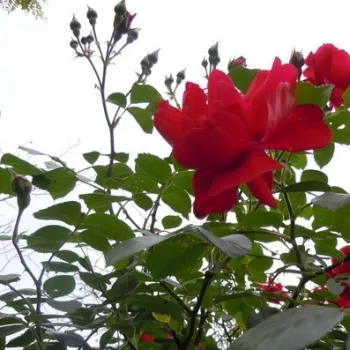
Vigorous creeping climber, approximately 260–440 cm high and 180–320 cm spread, with dense, glossy dark green foliage and moderate prickles; strong framework suitable for pergolas, fences and walls in family gardens. |
| Flower morphology |
Semi-double, flat blooms with 13–25 petals, large-flowered clusters on long stems, repeated (remontant) with a generous second flush; individual flowers approximately 7–10 cm across, giving good visibility from a distance. |
| Colour data and phenology |
Deep, rich scarlet-red blooms (RHS 53A outer, 53B inner; ARS MR) with lighter petal edges; colour holds well in sun without bluing, darkening slightly before fading yet remaining vivid through the flowering period. |
| Fragrance and aroma |
Medium-strength fragrance with a spicy, berry-like character noticeable at close range, adding sensory interest around seating areas without becoming overpowering near doors, paths or regularly used garden spaces. |
| Hip characteristics |
Hip set generally sparse because of semi-double flower form; where present, produces small, ellipsoidal shiny red hips about 12–18 mm across, contributing modest late-season colour without heavy fruit display. |
| Resistance and winter hardiness |
Hardy to approximately −21 to −18 °C (RHS H7, Swedish zone 3, USDA 6b); black spot resistance good, with moderate susceptibility to powdery mildew and rust requiring occasional monitoring and targeted treatment. |
| Horticultural recommendations |
Best on supports such as pergolas, fences and walls at 180–320 cm spacing; tolerates partial shade, especially east or west aspects; plant in well-drained soil, enriching heavy clay or using raised beds where necessary. |
RAYMOND CHENAULT offers vivid, non-fading red blooms, a strong climbing framework and dependable repeat flowering on a durable own-root plant; a considered choice for long-term structure and colour in a family garden.