RENNIE'S PINK™ – pink dwarf-mini rose - Rennie
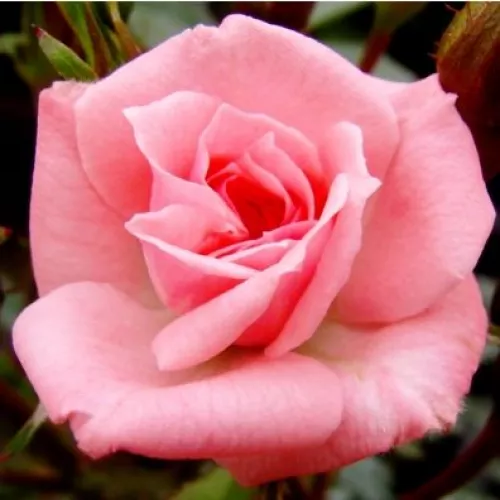
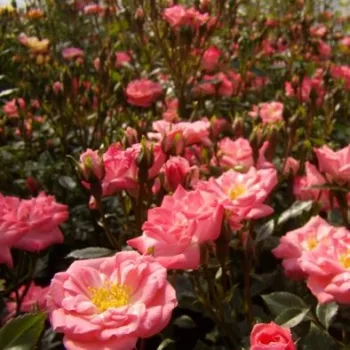
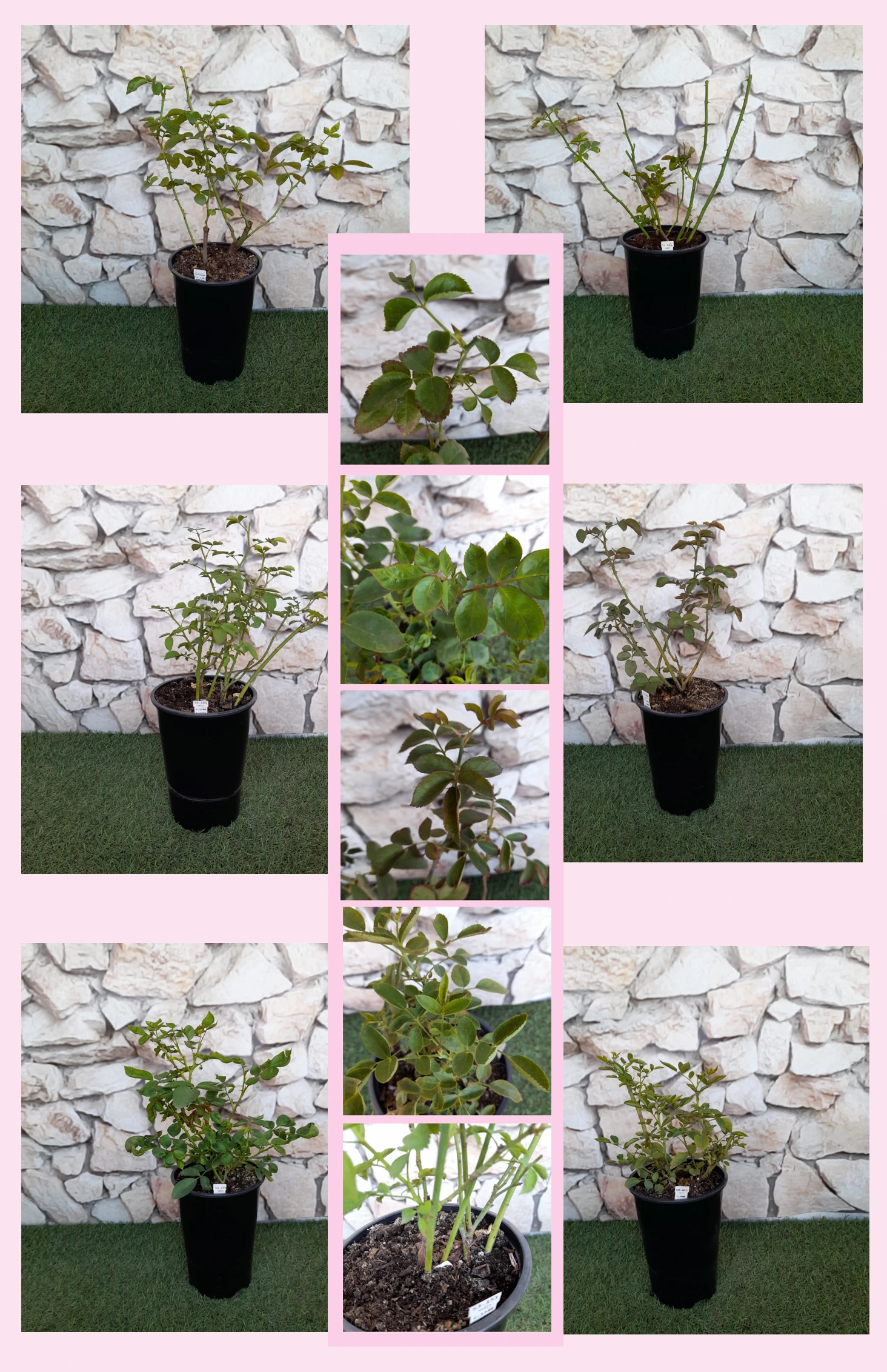
Romantic clusters of soft mid-pink blooms make RENNIE'S PINK™ an inviting choice for cosy cottage-style borders and compact family gardens, even where brisk breezes and passing showers are part of everyday life. This bushy miniature forms a neat, glossy green mound that fits beautifully beside paths, patios or the edge of a kitchen garden, bringing a gently refined note without demanding much of your time. Its restrained, classic rose fragrance suits seating areas where you want scent to be present but not overpowering, and the naturally compact size makes pruning optional rather than obligatory. As an own-root plant, it is bred for longevity, quietly thickening up year after year with reliable, repeat flowering from summer onwards. Any frost-damaged or tired shoots can simply be cut back and the plant will regenerate from its own wood, helping to maintain stable ornamental structure and colour. Planted in the ground or in a large 40–50 litre container, it is a reassuringly manageable rose that settles in quickly and rewards even casual care. In a normal garden setting you can expect roots to establish in the first year, strong new shoots in the second, and a full, storybook display by the third.
Usage options
| Target area |
Reasoning |
| Front of cottage-style border |
The naturally small, bushy habit keeps RENNIE'S PINK™ at the front of the border where its neat outline and mid-pink cups frame paths and low hedges without overshadowing herbs or perennials, ideal for cottage edges for busy beginners |
| Low, informal mini-hedge |
Planted 25–30 cm apart, the even height and upright, tidy structure knit into a softly defined edging that holds its form with little trimming, creating gentle boundaries around lawns or kitchen beds that suit family gardeners |
| Patio tub or large container (40–50 L) |
Its compact roots and modest height adapt well to deep, stable pots of 40–50 litres, where regular watering and an annual feed are usually sufficient to maintain season-long bloom, making rose growing accessible for urban homeowners |
| Low-maintenance flower bed focal point |
With strong resistance to black spot, mildew and rust, this variety remains in leaf and in character even in damp, disease-prone gardens, supporting relaxed care routines and keeping planting schemes attractive for time-poor gardeners |
| Long-term planting in family gardens |
The own-root form supports a long lifespan, as the plant can readily regrow from its own shoots after hard pruning, accidental damage or harsh winters, preserving the original flower and habit for forward-planning owners |
| Season-long colour near seating areas |
Reliable repeat flowering and abundant second flushes ensure that, once settled, the shrub offers a steady rhythm of soft pink clusters through the season with only light deadheading, enhancing everyday outdoor use for afternoon tea lovers |
| Coastal or breezy suburban plots |
The low, compact canopy and firm branching cope well with exposed positions where taller roses may rock or snap, offering dependable colour and structure even where frequent wind and rain are part of normal conditions for coastal garden owners |
| Neat, structured layouts with perennials |
The glossy, moderately dense foliage and small-scale, upright framework provide a clear outline that partners easily with lavender or lady’s mantle, giving beds a quietly ordered look while still feeling romantic for cottage-style enthusiasts |
Styling ideas
- Teacup-border – Line a sunny path with short runs of RENNIE'S PINK™ and soft mounds of lady’s mantle for a pastel, teacup-scale border – ideal for lovers of traditional English cottage style.
- Patio-arcade – Place several large 40–50 litre containers in a loose arc around a seating area, underplanting the roses with trailing thyme to frame cosy afternoon tea corners – suited to small-plot homeowners.
- Kitchen-ridge – Use the variety as a low pink edging between vegetable beds, backed by bean wigwams and herbs, to soften the working garden with storybook colour – perfect for kitchen-garden families.
- Coastal-haven – Combine this compact rose with lavender and ornamental grasses in a free-draining bed to create a wind-tolerant, romantic planting near driveways – reassuring for exposed, seaside gardeners.
- Storybook-patch – Plant three in a triangle with a central birdbath and a drift of spring bulbs for a tiny, self-contained focal feature – appealing to beginners wanting easy charm with little upkeep.
Technical cultivar profile
| Property |
Data |
| Name and registration |
Miniature shrub rose marketed as RENNIE'S PINK™, belonging to the Mini - dwarf rose collection; commercial type dwarf miniature rose, with no separate registered cultivar name recorded. |
| Origin and breeding |
Bred in Canada by Bruce F. Rennie, breeding year 1999; detailed parentage unknown, with limited formal breeding data available but selected and maintained for garden performance. |
| Growth and structural characteristics |
Compact, bushy, upright miniature shrub reaching around 25–35 cm in height and 35–45 cm spread, with moderately dense, mid-green glossy foliage and a moderately thorny framework. |
| Flower morphology |
Small double flowers, typically 0.5–1.5 inches across, carried in clusters; 26–39 petals with cup to goblet-shaped blooms, remontant with an abundant second flowering flush in season. |
| Colour data and phenology |
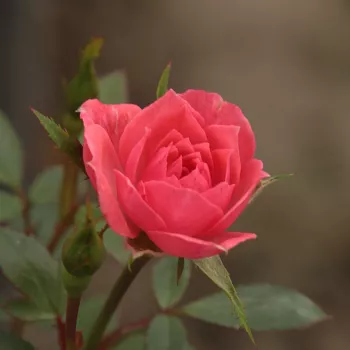
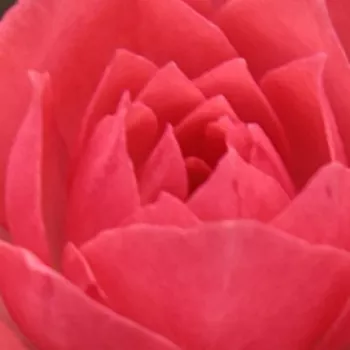
Mid-pink blooms (ARS MP, RHS 68B outer, 65C inner) with lighter petal edges; colour lightens gradually to pastel pink with occasional silvery veil yet retains good overall colour stability on the bush. |
| Fragrance and aroma |
Light, classic rose fragrance of a restrained character; gently noticeable at close range without dominating small seating areas, making it suitable near windows, terraces and paths. |
| Hip characteristics |
Occasionally forms very small rose hips of negligible diameter, typically not ornamental; hip set is sparse and makes little visual contribution to the plant’s overall garden effect. |
| Resistance and winter hardiness |
Shows strong resistance to powdery mildew, black spot and rust; hardy to approximately −26 to −23 °C (RHS H7, Swedish zone 4, USDA 5b), well suited to cold British winters with normal protection. |
| Horticultural recommendations |
Low-maintenance miniature shrub rose; space at 25–45 cm depending on use, with 6.3–7.2 plants/m² for mass plantings; thrives in well-drained soil with routine feeding and light pruning as desired. |
RENNIE'S PINK™ offers compact structure, repeat mid-pink flowering and strong disease resistance in a durable own-root form that will quietly mature with your garden, making it a thoughtful choice for relaxed, romantic planting.