DELARLE – pink-yellow bedding floribunda rose – Delbard
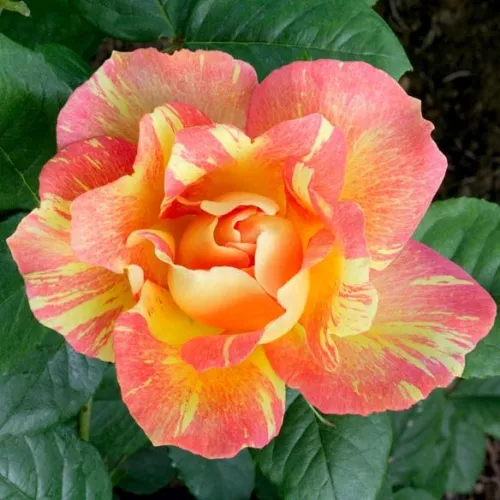
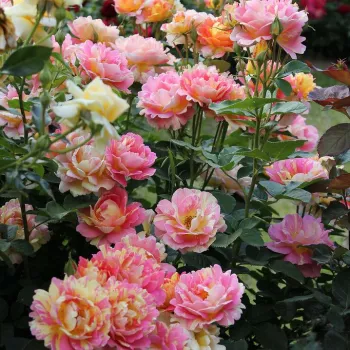
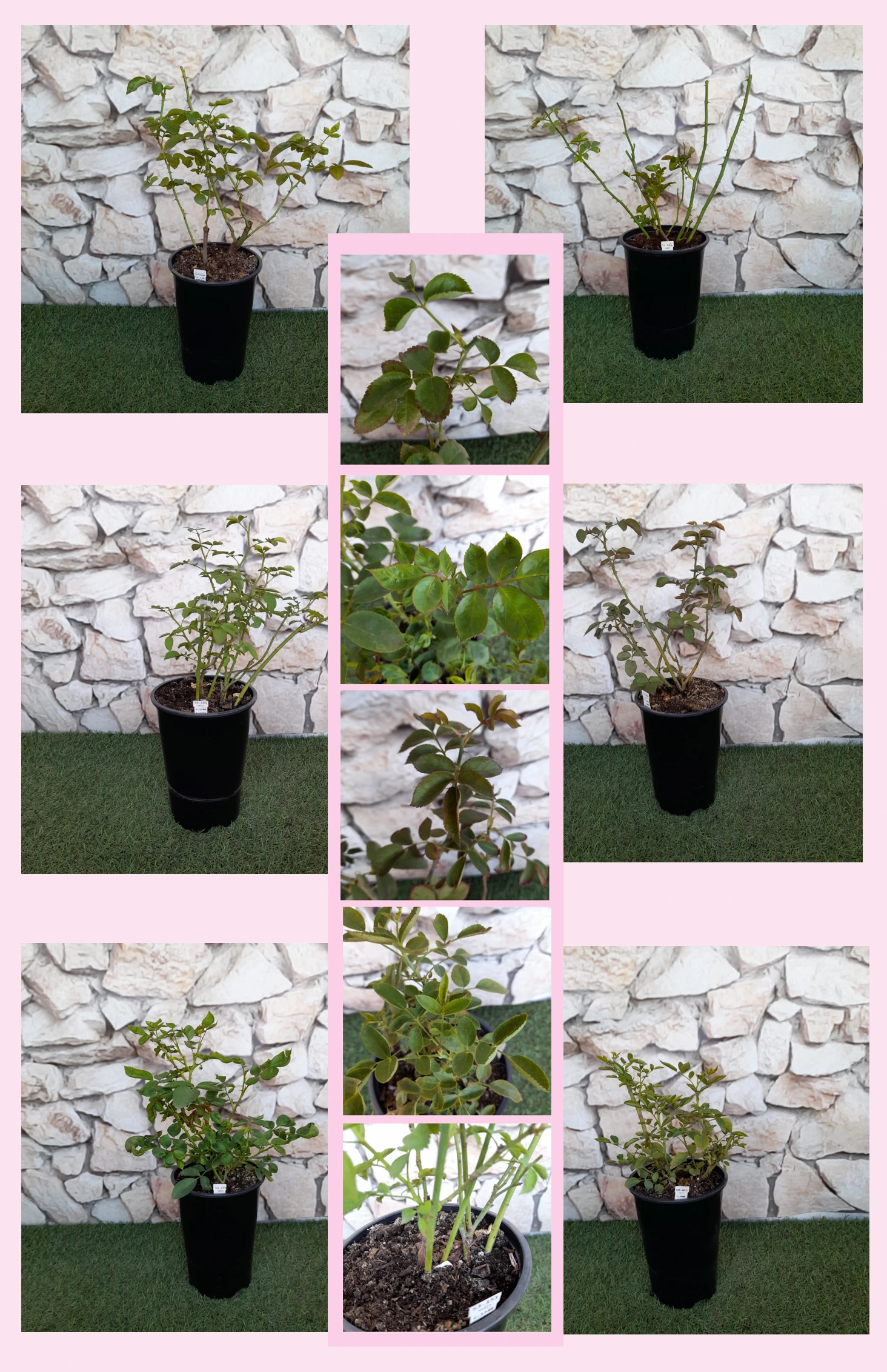
Under an arbour or along a cottage path, DELARLE settles into the garden as a romantic, painterly floribunda, its pink and buttery-yellow brushstrokes echoing classic French rose art while remaining reassuringly practical for everyday family life. As an own-root shrub, it builds stability and enduring character rather than short-lived spectacle, quietly thickening up season by season and rewarding light, regular care. In a typical UK garden with mixed weather, it copes steadily with blustery days and driving rain, provided the soil drains reasonably well and is not left waterlogged, making it a sound choice for exposed, breezy plots. Its upright but compact habit creates structure in borders and raised beds, the cupped blooms flowering in helpful flushes that keep beds looking orderly for most of the summer. The medium, fresh citrus-and-berry perfume lends a gentle afternoon-tea atmosphere, while the flexible pruning options let you keep it neat or slightly wild, depending on your style. Over time, this own-root rose can regenerate from the base, preserving its original colouring and form and offering true longevity beyond the usual grafted lifespan. With cluster-flowered stems that also cut well for the house, it gives a quietly reliable supply of storybook blooms. In a modest town or village plot where space is precious, DELARLE’s combination of artistic colour, tidy habit and steady performance brings genuine cottage-garden comfort without demanding expert skills.
Usage options
| Target area |
Reasoning |
| Front to mid flower bed in a family cottage garden |
The upright, moderately dense habit (around 100–150 cm tall) gives enough height for presence without overshadowing paths or children’s play areas, making it ideal for traditional mixed borders. Clustered, double blooms supply repeated summer colour with minimal shaping for busy beginners. |
| Romantic specimen rose near seating or terrace |
The painterly pink-and-yellow flowers and medium, citrus-berry fragrance are most appreciated up close, beside a bench or terrace where you can enjoy afternoon tea and evening colour. Own-root growth means it matures gracefully, keeping its character season after season for garden nostalgics. |
| Informal low hedge along paths or driveways |
Planted at 40–50 cm intervals, DELARLE forms a gently upright, moderately thorny line that frames paths without becoming overpowering. The clusters of blooms repeat well, giving months of soft colour while remaining manageable with one main prune and light deadheading for low-maintenance households. |
| Large containers on patios, balconies or small urban gardens |
In a 40–50 litre container with good drainage, its upright shape fits compact outdoor spaces and brings cottage charm to paved or gravelled areas. Own-root resilience helps it cope with occasional watering lapses, provided prolonged drought is avoided, suiting time-pressed city dwellers. |
| Raised beds and improved heavy soils |
DELARLE performs reliably in many UK soils when drainage is improved, working well in raised beds above heavier clays that might otherwise stay soggy. Once rooted in, the shrub becomes a long-term presence that can be refreshed by pruning, ideal for practical planners. |
| Traditional mixed border with perennials and herbs |
The colour play of pink with buttery-yellow streaks partners beautifully with lavender and soft blue or white perennials, creating a classic cottage palette. Its cluster-flowered stems are easily cut for vases without spoiling the shrub, pleasing home decorators. |
| Coastal and wind-prone family gardens |
Steady growth and moderately dense foliage help the plant hold its form in exposed, breezy positions, coping with frequent showers and blustery days so long as the soil is not permanently waterlogged, offering dependable structure and flower cover for seaside residents. |
| Easy-care, long-term feature for beginners |
As an own-root rose, DELARLE can regrow from the base if cut back hard, avoiding graft-related issues and preserving its colouring over many years, which suits anyone wanting a rose that improves from year to year without complex techniques for first-time gardeners. |
Styling ideas
- COTTAGE BORDER RIBBON – Thread DELARLE through a mixed border with lavender, hardy geraniums and catmint to create a soft pink-and-blue ribbon of colour – ideal for lovers of relaxed English cottage style.
- GIRLS' TEA CORNER – Plant one or three shrubs by a bistro set, under an arch or pergola, then add pastel foxgloves and violas to frame a dainty afternoon-tea nook – perfect for families seeking a storybook feel.
- PAINTERLY PATH EDGE – Use DELARLE as a low hedge along a garden path, interplanted with airy grasses and white daisies to echo its brushstroke petals – suited to those wanting gentle structure without formality.
- URBAN TERRACE POT – In a large terracotta or half-barrel container (40–50 litres), pair DELARLE with trailing thyme and soft pink pelargoniums for a compact but romantic patio display – great for balcony and courtyard owners.
- HERITAGE FEATURE BED – Group several plants in a dedicated rose bed, underplanted with heucheras and lady’s mantle, to evoke a traditional monastery or parterre garden atmosphere – appealing to fans of historic and period-inspired gardens.
Technical cultivar profile
| Parameter |
Data |
| Name and registration |
Floribunda bed rose from the Les Roses de Peintres collection; registered as DELarle, also traded as Rose des Cisterciens, commemorating Cîteaux Abbey’s 900th anniversary. |
| Origin and breeding |
Bred by Georges Delbard in France and introduced in 1998; parentage is not recorded, but selection focused on painterly bicolour blooms and reliable garden performance. |
| Growth and structural characteristics |
Upright shrub, typically 100–150 cm tall and 60–90 cm wide, with moderately dense, slightly glossy dark green foliage and moderate prickliness; growth habit suits beds, hedging and feature planting. |
| Flower morphology |
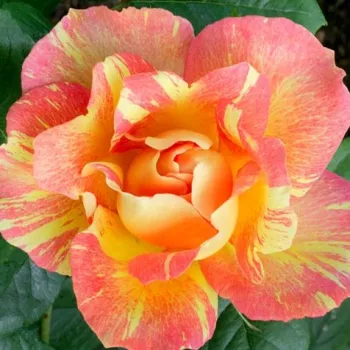
Large, double, cupped flowers with 26–39 petals, borne in clusters on floribunda-style trusses; remontant, giving a strong first flush followed by an abundant second flowering period in summer. |
| Colour data and phenology |
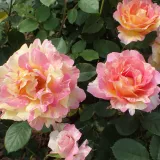
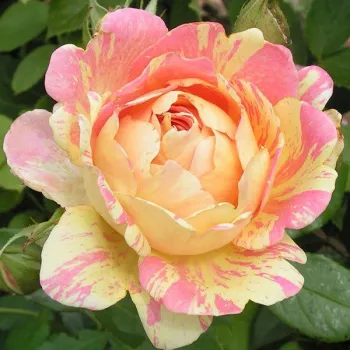
Pink petals with buttery-yellow streaks (RHS 62C outer, 11C inner), shifting to pastel pink and then almost white as blooms age, with very good colour retention and constant variation between individual flowers. |
| Fragrance and aroma |
Medium-strength scent clearly noticeable in still air, combining fresh citrus notes with berry nuances; attractive for seating areas where its perfume can be enjoyed at close quarters. |
| Hip characteristics |
Hip set is generally sparse due to the full double form; occasional small, egg-shaped orange-red hips 10–14 mm in diameter may appear late in the season on un-deadheaded stems. |
| Resistance and winter hardiness |
Rated H7, hardy to approximately –23 to –21 °C (USDA 6a, Swedish Zone 3); disease resistance is medium, so routine monitoring and, if needed, basic fungicide or hygiene measures are recommended. |
| Horticultural recommendations |
Best in full sun with fertile, well-drained soil; suitable for beds, specimen planting, informal hedges and large containers. Water during prolonged drought and deadhead to counter its weak self-cleaning. |
DELARLE offers painterly colour, upright border structure and dependable flowering on a durable own-root shrub, making it a refined yet undemanding choice for long-term cottage-style planting.