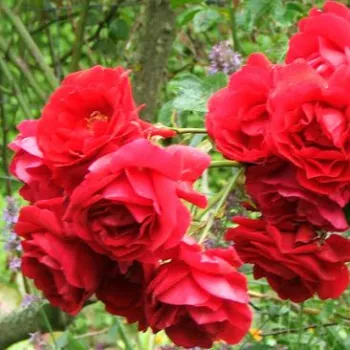
REPORTER – red climbing rose – Tantau
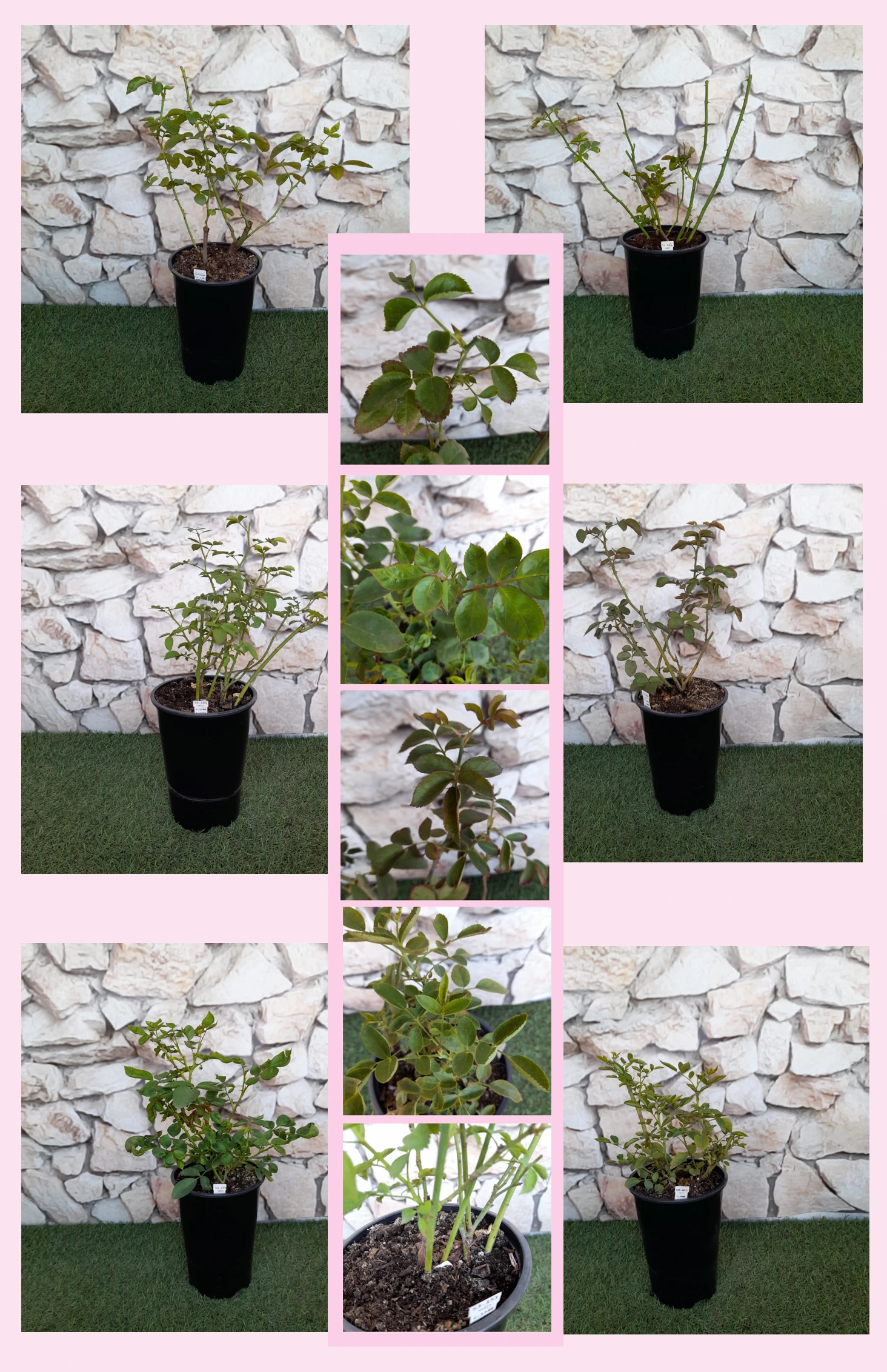
With its deep scarlet blooms and glossy foliage, REPORTER creates a romantic, storybook backdrop for pergolas, arches and sunny walls, bringing cosiness and afternoon-tea charm to family gardens. This own-root climber is bred for a long, reliable garden life, steadily maturing without complicated routines, while its semi-double flowers offer a welcoming stop for bees. Over the seasons it becomes a strong vertical feature that copes reassuringly well with typical British breezes and exposed, coastal-influenced weather. As it settles in, you will notice how its sturdy framework and dense leaves naturally dress fences and arbours, adding a feeling of shelter and privacy. Plant once, then simply guide the canes where you like, enjoying clusters of vivid blooms against healthy, dark-green foliage with only modest pruning and cleaning needed in winter. Because it grows on its own roots, it is slower to tire, easier to rejuvenate and well suited to the gentle, step-by-step rhythm of a cottage-style family garden, giving you time to shape your ideal arbour or wall display. As the years pass, its dependable flowering and neat structure support relaxed outdoor living, encouraging children to play and adults to unwind among velvety red flowers, while you simply maintain basic watering and feeding. In the first year it concentrates on roots, the second on framework, and by the third year it typically shows its full ornamental character, becoming a permanent part of your home landscape.
Usage options
| Target area | Reasoning |
|---|
| Rose arch over a garden path |
Well-suited to training over arches, its 225–375 cm height and flexible canes create a classic tunnel of red flowers and shade, ideal where you want a romantic focal point that feels intimate yet easy to manage for a beginner. |
| South-facing house wall or garage |
Its dense, dark-green foliage and medium growth rate help clothe bare brickwork without overwhelming it, making a warm, sheltered wall perfect for encouraging steady flowering while remaining practical for busy homeowners. |
| Pergola by a seating or dining area |
Repeated clusters of velvety red blooms and a light fragrance create a cosy, afternoon-tea atmosphere, with the climber forming a leafy canopy that filters light and offers privacy, especially attractive for cottage-garden enthusiasts. |
| Garden boundary fence in a family garden |
With a spread of up to 190 cm and a well-branched habit, it makes an effective vertical screen, softening boundaries, giving wildlife interest through hips and flowers, and providing a safer, thorny barrier valued by practical families. |
| Raised bed beside heavy-clay soil |
Planting in a raised bed or improved border helps its roots establish above heavy clay, giving better drainage so the plant can anchor well and cope more calmly with wind and rain often experienced in exposed British gardens. |
| Large container by a terrace (40–60 L) |
In a 40–60 litre container with a sturdy support, this climber becomes a moveable vertical accent, ideal for rented or paved spaces where you want a long-lived rose that can be shifted, trimmed and enjoyed by urban-balcony gardeners. |
| Cottage-style mixed border backdrop |
Its semi-double blooms and moderate height form a charming red curtain behind perennials and herbs, repeating colour through the season while own-root growth ensures it regenerates well, suiting relaxed, low-intervention planters. |
| Pollinator-friendly corner near a kitchen garden |
Semi-double flowers with accessible stamens provide easy forage for bees, while bright hips extend interest into autumn, so a single plant can support wildlife and ornament together, particularly appreciated by nature-conscious gardeners. |
Styling ideas
- Storybook arch – Train REPORTER over a metal or wooden arch, underplant with lavender and catmint for a soft blue contrast, ideal for lovers of romantic cottage entrances – target audience: cottage-garden romantics.
- Kitchen-garden screen – Grow it along a trellised boundary beside herbs and espaliered fruit trees to divide utility and leisure spaces – target audience: rural homeowners who value productive yet pretty gardens.
- Terrace pillar – In a 50-litre pot with a sturdy obelisk, let the climber twine upwards, paired with scented annuals for summer colour – target audience: busy urban dwellers seeking vertical interest on patios.
- Pergola parlour – Cover a simple timber pergola, beneath which you place a small table and chairs, adding foxgloves and hardy geraniums at the posts – target audience: families wanting a cosy outdoor sitting room.
- Wildlife corner – Combine the rose with hemp agrimony, blanket flower and obedient plant to feed bees and provide hip interest – target audience: nature-focused gardeners who enjoy informal planting.
Technical cultivar profile
| Parameter | Data |
|---|
| Name and registration |
Climbing rose group; registered as TANklesant, marketed as REPORTER Climbing rose TANklesant; ARS exhibition name Santana; large-flowered climber for ornamental garden use. |
| Origin and breeding |
Bred by Mathias Tantau Jr. at Rosen Tantau, Uetersen, Germany; parentage unknown; introduced as a decorative climbing rose for arches, walls and similar vertical garden structures. |
| Growth and structural characteristics |
Strong climbing habit reaching about 225–375 cm high and 110–190 cm wide; dense, glossy dark-green foliage; well-branched with many thorns; weak self-cleaning, so spent clusters may need light deadheading. |
| Flower morphology |
Semi-double, cup-shaped flowers with around 13–25 petals, produced in clusters; medium-sized blooms approximately 4–7 cm across; repeats well through the season with a notably abundant second flush. |
| Colour data and phenology |
Almost black, burgundy-toned buds open deep red, then bright scarlet, finally softening to cherry red; overall a deep, velvety scarlet effect with moderate colour retention and good ornamental value in typical summers. |
| Fragrance and aroma |
Light, restrained fragrance with a delicate classic rose character; not overpowering near seating areas yet noticeable at close quarters; suitable where scent is welcome but must not dominate confined spaces. |
| Hip characteristics |
Produces moderately abundant, bright red ovoid hips about 10–18 mm; decorative in late season, extending visual interest and offering additional wildlife value if some faded blooms are left unpruned. |
| Resistance and winter hardiness |
Medium resistance to black spot, powdery mildew and rust; may need occasional protection in high pressure areas; winter hardy to about −21 to −18 °C (RHS H7; roughly USDA zone 6b; Swedish zone 3). |
| Horticultural recommendations |
Prefers full sun and fertile, well-drained soil; water in dry spells; plant 140–230 cm apart depending on use; train and tie new canes, pruning in late winter to maintain framework and encourage flowering shoots. |
REPORTER Climbing rose TANklesant offers velvety scarlet blooms, reliable repeat flowering and long-lived own-root growth, making it a thoughtful choice when you want a romantic, enduring climber that asks only modest care.