SCHNEEWITTCHEN® – white park rose – Kordes
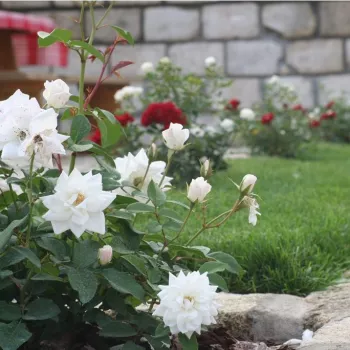
With its storybook white blooms and bushy, upright habit, SCHNEEWITTCHEN® brings instant romance to an English‑style family garden, whether you tuck it into a cottage border or use it as a flowering hedge. Masses of double, self‑cleaning flowers repeat from early summer well into autumn, so you spend more time enjoying afternoon tea and less time dead‑heading. On its own roots it builds quiet reliability over the years, regenerating from the base and keeping an even look without complicated pruning. Once established it anchors well even where gardens are open to brisk coastal breezes and changeable weather, especially when you give it a well‑drained spot. In the first three seasons it gently moves from rooting in year one, to filling out its framework in year two, and then delivering its full ornamental impact by year three. The mild, sweet fragrance and dense, mid‑green foliage make it a calming backdrop for play areas, kitchen plots and seating nooks, suiting busy gardeners who want lasting elegance without fuss.
Usage options
| Target area | Reasoning |
|---|
| Main family border in a small to medium garden |
The bushy, upright habit and 100–150 cm height give dependable structure without overwhelming an average border, while continuous white flowering ties together mixed cottage planting through the whole season for busy home gardeners. |
| Flowering hedge along a path or boundary |
Regular clusters of self‑cleaning blooms make a neat, semi‑formal hedge at 90–100 cm spacing, with sparse thorns that are easier to manage near paths and play areas for families seeking gentle boundaries. |
| Statement shrub near a seating or tea area |
Planted as a solitary shrub at wider spacing, the masses of snowy, double flowers and light sweet scent give a romantic, afternoon‑tea feel without demanding intensive care for lovers of classic cottage charm. |
| Mixed cottage border with traditional perennials |
Its reliable repeat flowering and calm white colour knit together cottage plants such as bee balm, liatris and airy grasses, keeping the border visually balanced from summer into autumn for gardeners who enjoy soft, blended schemes. |
| Part‑shaded corners and north‑east aspects |
Tolerant of partial shade, it will still flower well where sun is limited, helping to brighten awkward spots beside fences or sheds without complicated pruning adjustments for owners of light‑challenged plots. |
| Coastal or more exposed suburban gardens |
The well‑anchoring shrub frame and resilient foliage cope with open positions and blustery, damp conditions, provided you offer reasonable drainage against prolonged saturation, well suited to gardeners in breezy coastal districts. |
| Large containers on patios or roof terraces |
In a stable 40–50 litre pot with good compost and watering, its upright, compact spread and self‑cleaning flowers deliver a long season of colour in tight spaces for time‑pressed terrace and balcony owners. |
| Low‑maintenance, long‑term planting schemes |
As an own‑root shrub it ages slowly and can regenerate from the base after harder pruning or winter damage, offering an even, predictable outline over many years with moderate routine care for beginners wanting durable planting. |
Styling ideas
- White‑on‑green hedge – Run a single line beside a lawn or gravel path, underplanting with low lavender or hardy geraniums for a calm, structured edge – ideal for families wanting order with softness.
- Cottage tea corner – Place one or three shrubs near a bench, mixing with pink peonies and catmint to frame an intimate seating nook – perfect for romantic gardeners who enjoy quiet afternoon breaks.
- Kitchen‑garden backdrop – Use as a flowering screen behind raised veg beds, paired with herbs and evergreen shrubs to keep the plot pretty year‑round – good for home growers who like a tidy, traditional potager.
- Perennial drift – Blend with liatris, bee balm and fine grasses for a loose, naturalistic border where the white roses calm brighter tones – suited to relaxed gardeners favouring soft movement and long seasons.
- Patio focal container – Grow a single plant in a 50‑litre clay pot, surrounding the base with seasonal bedding for a changing skirt of colour – useful for small‑space owners needing flexible, moveable impact.
Technical cultivar profile
| Property | Data |
|---|
| Name and registration |
SCHNEEWITTCHEN® – white park rose – Kordes; shrub / park rose; floribunda‑type clusters; registered as KORbin, also known internationally as ‘Iceberg’ in exhibition use. |
| Origin and breeding |
Bred by Reimer Kordes, W. Kordes’ Söhne, Germany, from ‘Robin Hood’ × ‘Virgo’; introduced 1958 as a hardy, free‑flowering shrub suited to parks and home gardens. |
| Awards and recognition |
Holder of major international honours, including Baden‑Baden and RNRS Gold Medals, RHS Award of Garden Merit, plus WFRS World Favourite Rose and Hall of Fame status. |
| Growth and structural characteristics |
Bushy, upright shrub reaching about 100–150 cm in height and 80–120 cm spread, with dense, mid‑green glossy foliage and relatively few prickles for easier handling. |
| Flower morphology |
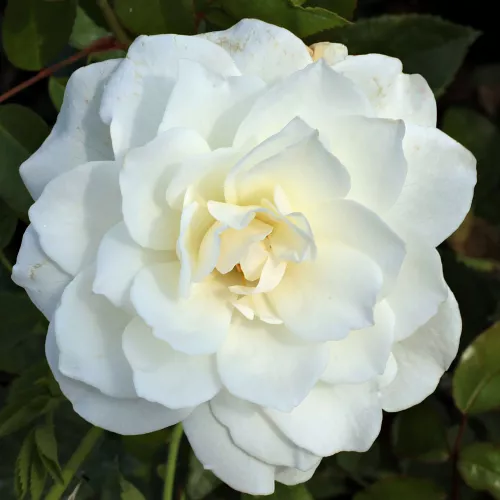
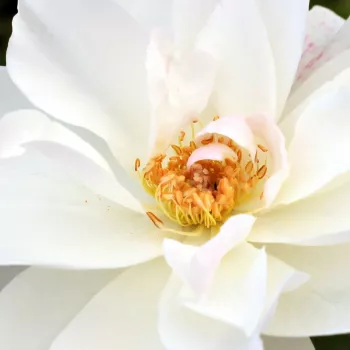
Large, double, cup‑shaped blooms in clusters, with 26–39 petals; good self‑cleaning habit; strongly remontant with an abundant second flush after the main summer display. |
| Colour data and phenology |
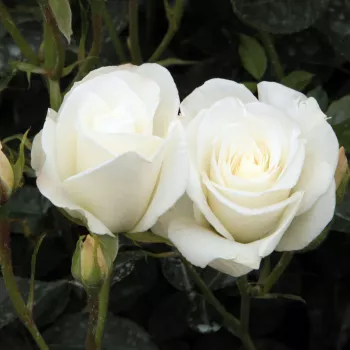
Radiant white flowers, sometimes creamy‑white or faintly pink‑tinted in cool weather; colour holds reasonably, though petal edges may brown slightly in strong heat and sun. |
| Fragrance and aroma |
Mild, sweet rose fragrance noticeable at close range, lending a gentle perfume without overwhelming nearby seating, doors or windows; intended primarily as an ornamental display rose. |
| Hip characteristics |
Hip set is usually sparse due to the double flowers, though small, spherical, orange‑red hips around 7–10 mm across may form occasionally, adding a modest late‑season accent. |
| Resistance and winter hardiness |
Hardy to approximately −29 to −26 °C (RHS H7, USDA 5a); good black spot resistance, moderate tolerance to mildew and rust, with best health under balanced watering and airflow. |
| Horticultural recommendations |
Prefers fertile, well‑drained soil; water regularly in dry spells; protect young growth from late frosts; plant at about 90–100 cm in hedges or 1 per m² in mass plantings. |
SCHNEEWITTCHEN® offers long‑season white flowering, self‑cleaning convenience and durable own‑root resilience, making it a thoughtful choice for tranquil, low‑effort family gardens.