ROXBURGHII LAMPION – pink park rose – Lens
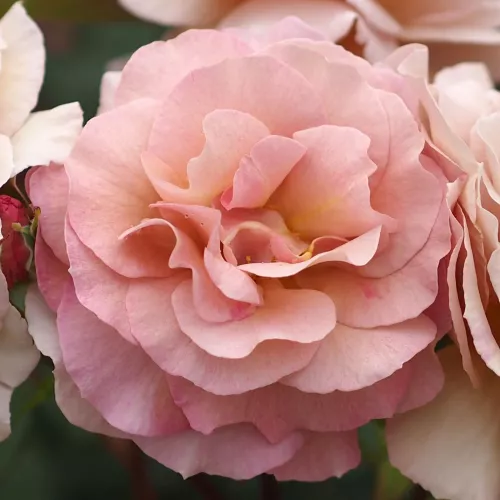
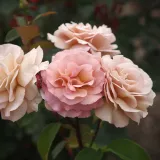
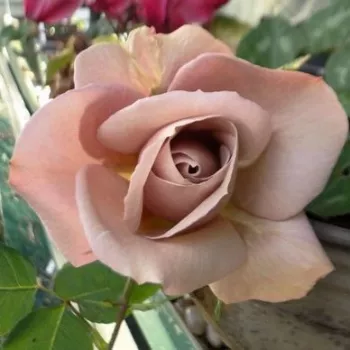
ROXBURGHII LAMPION brings a quietly romantic, countryside ambience to family gardens, combining an old-fashioned shrub silhouette with masses of pale pink, silk-sheened flowers and generous yellow-orange hips that glow like tiny lanterns in autumn. This compact yet substantial shrub fits naturally beside hedging, lawns or a kitchen garden, and copes well with breezier sites and the kind of exposed, changeable weather many British gardens know well. Own-root plants build strength steadily, supporting a remarkable lifespan and dependable structure without complicated care. Over time you can enjoy graceful structure, soft colour and effortless seasonality, with spring blossom, summer re-flowering and decorative hips into winter. Medium maintenance needs and good cold tolerance mean it is reassuringly reliable for busy households, while its botanical heritage gives an air of authenticity and storybook character.
Usage options
| Target area | Reasoning |
|---|
| Feature shrub by patio or terrace |
Used as a specimen, ROXBURGHII LAMPION develops a distinctive, slightly rugged outline that anchors the seating area and reads clearly from windows or doors. Height and width give presence without overwhelming smaller family plots, and the lantern-like hips extend interest long after flowers fade. Best for gardeners wanting clear visual structure with minimal fuss, including the beginner. |
| Cottage-style mixed border |
Its softly pastel single blooms and golden stamens mix naturally with herbaceous perennials and kitchen-garden planting, supporting that informal “girly” cottage look. The remontant flowering provides gentle colour in early and later summer, even when some perennials are between flushes. Own-root vigour means it knits into the border over time with few interventions, suiting the relaxed homeowner. |
| Informal flowering hedge |
Planted at the recommended hedge spacing, this compact shrub forms a loose, friendly barrier that still allows light through. Moderate foliage density works well along driveways or boundaries where you want definition without a harsh wall. The thorniness offers some deterrent value, while long-lived own-root plants mean you replant less often, which appeals to the practical family. |
| Rural kitchen garden edge |
The variety tolerates poorer soils and wind, making it a good choice for exposed vegetable or cutting gardens on heavier ground, provided drainage is sensible. Its steady, medium growth rate and compact habit frame beds without casting excessive shade. The long life and stable form of an own-root shrub reward those planning a settled layout, ideal for the thoughtful planner. |
| Low-maintenance front garden focal point |
Where time and space are limited, this rose offers a composed look with moderate care: an annual tidy, light pruning and simple feeding are usually sufficient. The compact habit and repeat flowering help the frontage feel looked after across the season, even if you are frequently away. It suits busy urban or suburban owners who prefer durable, long-view planting, such as the time-pressed commuter. |
| Seasonal interest near paths and gateways |
From soft spring leafing through summer blossom to substantial autumn hips, the plant punctuates entrances with evolving interest. The yellow-orange hips are particularly striking against darker foliage or brickwork, giving gentle drama as days shorten. Own-root resilience supports this year-on-year display with little replanting, a bonus for the aesthetically minded observer. |
| Structural backdrop in family play gardens |
ROXBURGHII LAMPION’s compact, upright framework is useful as a green backdrop to lawns or play spaces, helping define zones without constant clipping. Once established, it copes well with ordinary garden conditions and variable weather, including windier, more exposed sites common in many parts of the country. This reliability appeals to the practical-minded parent. |
| Screening corner in raised or improved beds |
In slightly raised or improved soil, its combination of height and compact spread gives efficient coverage for disguising sheds, compost areas or fence transitions. Medium maintenance needs and an own-root constitution reduce long-term work, while establishment is straightforward for those following basic planting guidance. This is particularly attractive to the occasional but quality-conscious gardener. |
Styling ideas
- Lantern-Hip Hedge – run a loose row along a boundary, underplant with meadow-style grasses for movement and let the yellow-orange hips glow in autumn – ideal for romantic boundary-lovers.
- Tea-Corner Shrub – place a single plant by a small bistro set, underplant with pastel daylilies to echo the soft pink flowers – suited to afternoon-tea enthusiasts.
- Kitchen-Garden Frame – mark the end of vegetable beds with a pair, interplanted with chives and herbs for a charming potager feel – perfect for cottage-plot cooks.
- Cottage Weave – thread among perennials like meadow loosestrife and variegated weigela for layered colour and texture from spring to hip-season – for lovers of informal abundance.
- Gateway Welcome – flank an entrance path with two or three shrubs, adding low lavender or catmint at the feet for a scented, storybook approach – appealing to visitors-and-neighbours conscious owners.
Technical cultivar profile
| Parameter | Data |
|---|
| Name and registration |
ROXBURGHII LAMPION is a shrub / park rose from the Botanical rose collection, classed as a miscellaneous Old Garden Rose type; introduced to commerce by Lens Roses under this trade name. |
| Origin and breeding |
This cultivar is a seed-grown Rosa roxburghii seedling bred by Lens Roses, Belgium, and released in 2013, combining botanical character with garden performance for specimen and structural planting. |
| Growth and structural characteristics |
Compact shrub reaching about 130–200 cm in height and 100–160 cm spread, moderately dense foliage from light to fir-green, densely thorned stems, forming a substantial, long-lived framework in suitable sites. |
| Flower morphology |
Single to lightly petalled blooms with around 5–12 petals, medium-sized flat flowers borne mainly solitary, remontant with an abundant second flush, overall giving a natural, botanical garden look. |
| Colour data and phenology |
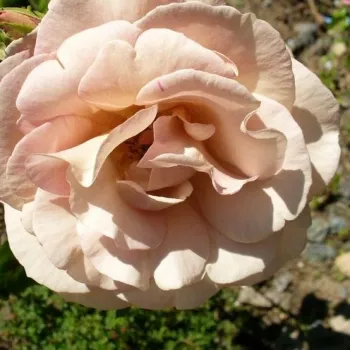
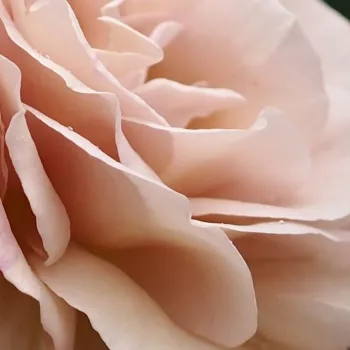
Soft, uniformly pale pink flowers (RHS 65C–65D) with silky sheen and bright yellow stamens; colour lightens through bloom to almost white, enhancing the golden centre before petals fall and hips develop. |
| Fragrance and aroma |
Fragrance is subtle and very weak, with a light rose character that does not dominate nearby seating areas, making it suitable where strong scent could be overwhelming or clash with other plantings. |
| Hip characteristics |
Produces abundant, large spherical hips, approximately 32–48 mm across, ripening to glowing yellow-orange shades that extend ornamental value well into autumn and early winter in most gardens. |
| Resistance and winter hardiness |
Rated to around -15 to -12 °C (RHS H6, Swedish Zone 2, USDA 7b), with moderate overall disease resistance, notably good against powdery mildew and rust, and moderate tolerance to black spot in garden use. |
| Horticultural recommendations |
Best as a specimen shrub at 180 cm spacing or in hedges and groups at 105–120 cm; prefers open, well-ventilated positions and medium maintenance, with plant protection advisable in enclosed, humid courtyards. |
ROXBURGHII LAMPION offers compact structure, long lifespan and generous lantern-like hips in a durable own-root form that repays simple care for many years, making it a thoughtful choice for relaxed, traditional gardens.