SWEET SONATA – peach-pink flower-bed floribunda rose – Meilland
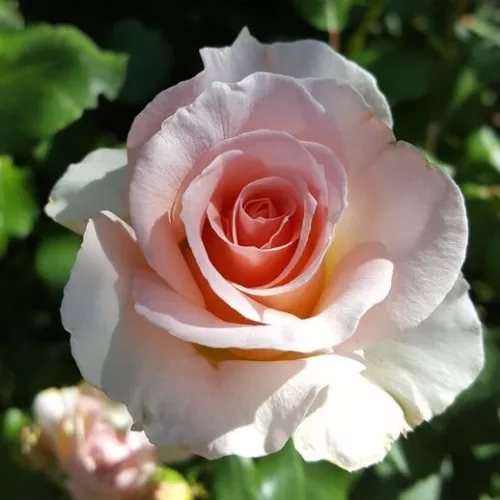
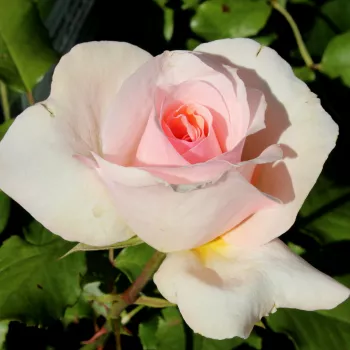
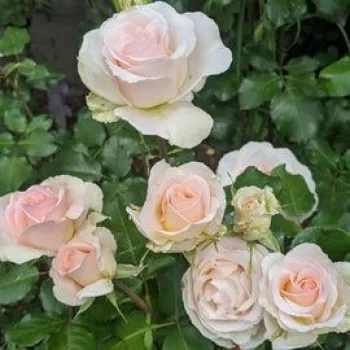
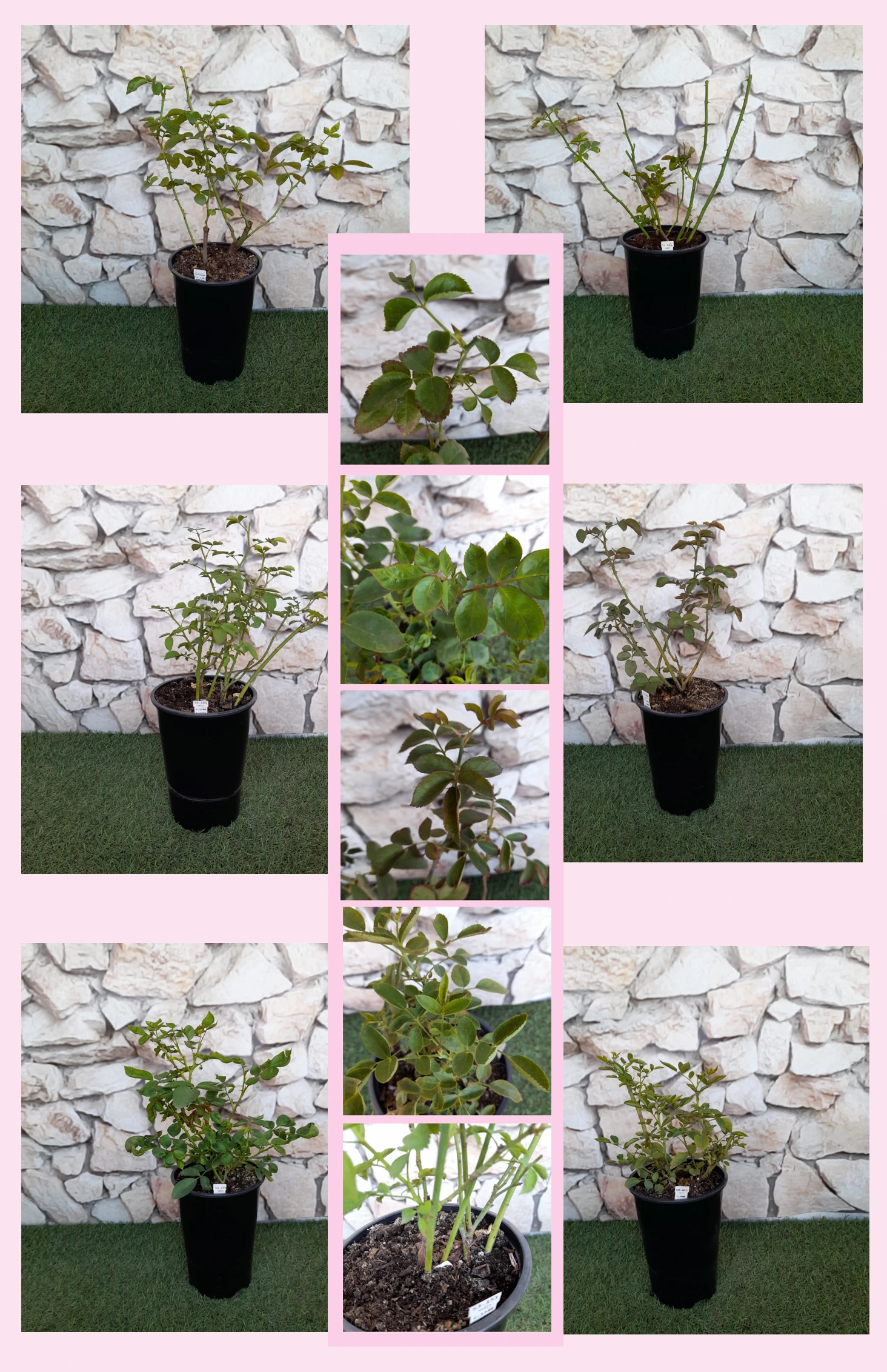
Slip into a storybook summer with Sweet Sonata, a bushy floribunda that brings romance and soft peach‑pink blooms to an everyday family garden without demanding intricate skills. Its very double, cup‑shaped flowers create a nostalgic cottage‑garden atmosphere, while the mild, fruity fragrance suits close seating areas and arbour corners. Container‑grown in a practical 2‑litre pot, this own‑root plant is easy to establish, even where you must gently manage heavier soils and drainage in changeable, breezy weather. Over time its dense, dark green foliage forms a rounded, lightly thorned structure that suits front borders, edging and paths. With patient care, you can look forward to a natural progression from strong roots, to building shoots, to a full cottage‑border presence over three seasons, rewarding relaxed afternoon‑tea moments beneath an arbour or beside a kitchen‑garden path.
Usage options
| Target area | Reasoning |
|---|
| Flower bed in a romantic front garden |
Sweet Sonata’s bushy, rounded habit and peach‑pink clusters give an immediate cottage‑style accent in small front gardens, working especially well near gateways and paths where its light prickliness is easy to manage for beginners. |
| Edging along garden paths or lawn |
The dense foliage and medium height create a gentle, low hedge effect that softly defines paths or lawn edges; close planting at recommended spacings produces a continuous, storybook ribbon of colour for traditionalists. |
| Feature near a seating area or arbour |
The mild, fruity scent and nostalgic, very double blooms are best appreciated up close, making this rose ideal near benches, arbours or afternoon‑tea corners where you can enjoy its atmosphere without overpowering perfume for romantics. |
| Large container on patio or terrace |
Planted in a stable container of at least 40–50 litres with good drainage, this own‑root rose forms a long‑lived, bushy accent for patios or balconies, with the pot helping you manage soil conditions and moisture balance for urbanites. |
| Mixed cottage border with perennials |
The soft peach‑pink palette blends easily with lavenders, catmints and airy perennials, giving a relaxed English‑countryside look while its bushy structure fills gaps and supports an informal, low‑maintenance border line for stylists. |
| Cutting corner for informal indoor bunches |
Large, very double, cup‑shaped blooms on sturdy stems lend themselves to short, romantic arrangements in jugs or vases; occasional cutting encourages new flushes and extends your enjoyment from garden to home for homemakers. |
| Specimen accent in a small lawn or courtyard |
Used singly at around 1 m spacing, Sweet Sonata reads as a compact focal point, its dark foliage and pastel flowers drawing the eye without overwhelming limited space, especially useful where you must cope with breezier, wetter conditions for planners. |
| Own-root planting for long-term garden structure |
As an own‑root plant it can regenerate from the base, maturing steadily into a stable bush that keeps its character over many years, rewarding steady care as it moves from root establishment to full ornamental display for investors. |
Styling ideas
- Cottage Border Duet – Combine Sweet Sonata with lavender and catmint to edge a path, creating a dreamy pastel ribbon that flowers through summer – ideal for lovers of soft English countryside style.
- Kitchen-Garden Charm – Plant near herbs and rustic obelisks so its peach‑pink cups soften the practical lines of raised beds – perfect for home cooks who enjoy a traditional potager feel.
- Patio Rose Focus – Grow in a 50‑litre terracotta pot with trailing thyme to frame a seating nook, keeping colour and fragrance within arm’s reach – suited to balcony and small‑patio owners.
- Front-Gate Welcome – Place a pair on either side of a front path with low box or thyme to create a romantic entrance that stays in scale with a family garden – good for busy homeowners seeking instant charm.
- Storybook Seating Nook – Underplant a small arbour with Sweet Sonata and airy grasses so blooms waft around the bench, enhancing relaxed afternoon tea moments – perfect for those curating a cosy retreat.
Technical cultivar profile
| Aspect | Data |
|---|
| Name and registration |
Floribunda bed rose from the Romantica collection; registered as MEIoffic, marketed as Sweet Sonata Romantica MEIoffic and Johann Strauss for exhibitions. |
| Origin and breeding |
Bred by Alain Meilland (Meilland International) from ‘Flamingo’ × (‘Pink Wonder’ × ‘Tip Top’); introduced and registered in France in 1993 for ornamental garden use. |
| Growth and structural characteristics |
Bushy, medium shrub reaching around 105–135 cm high and 75–105 cm wide, with dense, slightly glossy dark green foliage and only light prickliness along the shoots. |
| Flower morphology |
Large, very double, cup‑shaped flowers with more than 40 petals; mainly borne singly; remontant habit with a generous second flush during the season after the first wave. |
| Colour data and phenology |
Soft peach‑pink blooms with a yellowish base; new flowers show salmon and apricot tones, then fade through pastel pink to creamy centres as the flower ages in the garden. |
| Fragrance and aroma |
Mild but noticeable perfume with a fresh, fruity character; best enjoyed at close range near paths, benches or patios rather than relied on as a dominant garden scent. |
| Hip characteristics |
Highly double flowers limit hip set; where formed, small spherical orange‑red hips of about 8–12 mm add discreet autumn interest without becoming visually dominant. |
| Resistance and winter hardiness |
Hardy to approximately −26 to −23 °C (RHS H7, Swedish Zone 4, USDA 5b); disease prone and needs regular, proactive protection to manage black spot, mildew and rust. |
| Horticultural recommendations |
Suited to beds, edging, containers and cutting; plant at 55–100 cm spacing, preferably in well‑drained soil with regular feeding and a consistent preventive plant‑health regime. |
SWEET SONATA Romantica MEIoffic offers nostalgic peach‑pink blooms, a bushy presence and own‑root resilience for long‑term garden structure; consider it if you are shaping a romantic, easy‑to‑enjoy family border.