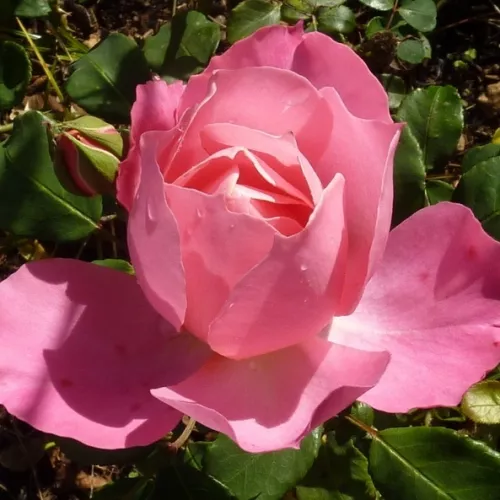
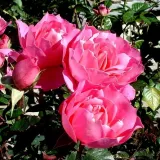
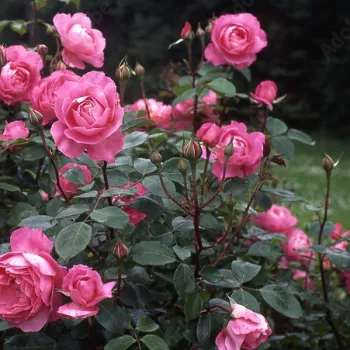
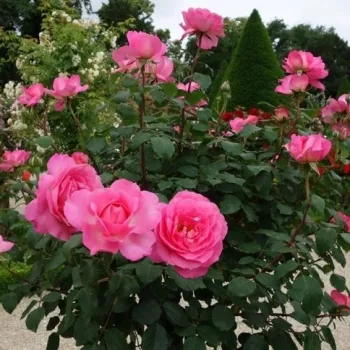
SYLVIE VARTAN – vivid pink bedding floribunda rose
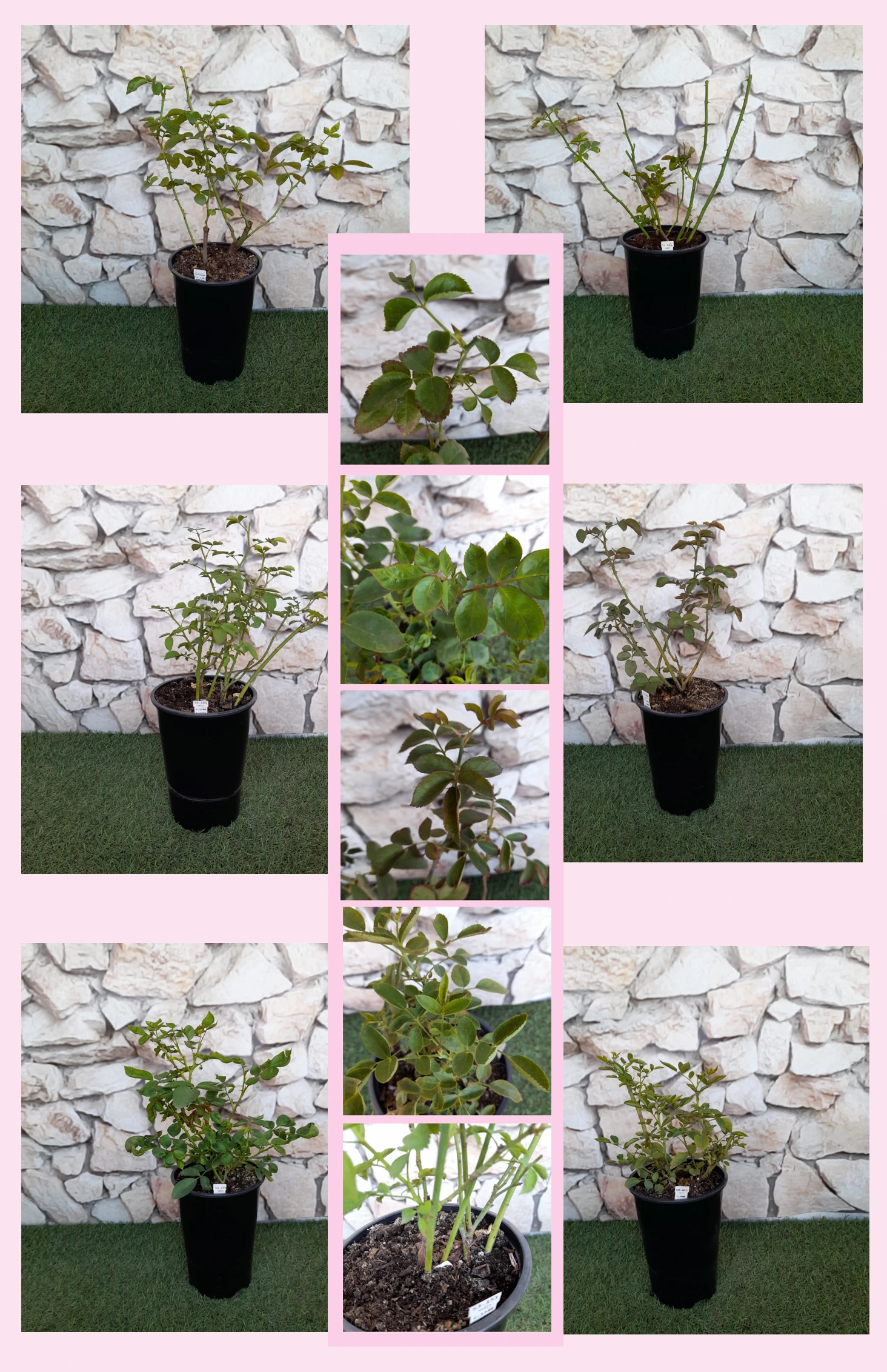
This classic floribunda brings a softly glamorous, cottage‑garden charm to everyday family plots, its clusters of romantic, vivid pink blooms creating an inviting focus for summer afternoon tea and relaxed garden stories. The bushy, compact habit fits neatly into average‑sized borders and front gardens, giving reliable colour without dominating neighbouring planting. Bred for good health, its foliage stays fresh and glossy with notably strong disease resistance, even through unsettled British summers with frequent rain and gusty, salt‑tinged coastal breezes. As an own‑root rose it ages gracefully, building a stable framework and regenerating from the base for long, dependable seasons of bloom. Simple pruning and easy shaping mean you can keep it as a low hedge or rounded bush with minimal effort, while container growing in a 40–50 litre pot allows flexible placement around patios or kitchen‑garden paths for maximum cottage‑style cosiness.
Usage options
| Target area | Reasoning |
|---|
| Front‑of‑border planting in family gardens |
The compact, bushy habit and moderate height allow this rose to sit neatly at the front of mixed borders, giving bright pink colour where it is most visible from windows and terraces. Its repeat flowering and tidy outline keep small to medium gardens looking composed with very little shaping, suiting time‑pressed homeowners and beginners. |
| Cottage‑style bedding and mass planting |
Closely spaced in beds, the dense foliage and cluster flowers merge into a continuous sheet of colour that feels instantly romantic and “storybook”. Good disease resistance keeps large plantings attractive without intensive spraying, so you can achieve traditional cottage‑garden abundance in ordinary suburban plots and busy households. |
| Low, informal flowering hedge |
At the recommended distances this rose knits into a low, rose‑scented boundary that frames lawns, paths or kitchen gardens. The bushy structure makes a soft, green screen even between flushes, while own‑root durability helps the hedge recover well after pruning, ideal for families wanting long‑term structure and reliability. |
| Feature container near seating or front door |
In a 40–50 litre container the plant maintains a rounded shape and rich flowering, bringing colour right up to steps, patios or a sunny bench. Its good health and modest size mean feeding and pruning regimes can stay simple, perfectly suited to urban patios and balcony‑style spaces used by non‑specialists. |
| Easy‑care rose for new gardeners |
This variety combines robust disease resistance with straightforward pruning, so it does not punish inexperience. Basic deadheading after each flush is usually enough to encourage further blooms, giving visible rewards from the first season and building confidence for those starting out as casual gardeners. |
| Long‑term planting in established family plots |
As an own‑root shrub it is less dependent on a graft union, reducing the risk of rootstock shoots and helping the plant regenerate from the base if cut back hard. Over the years it develops a stable, bushy framework that remains ornamental with modest upkeep, reassuring owners planning for multi‑year enjoyment. |
| Colour focus in mixed cottage borders |
The vibrant pink flowers, fading to a softer silvery mid‑pink, blend beautifully with traditional perennials such as catmint and clematis, giving gentle contrast without clashing. Reliable repeat flowering keeps the border lively around classic “afternoon‑tea” seating, even in changeable summers with frequent rain and brisk coastal winds, which suits romantic‑style enthusiasts. |
| Family gardens with simple maintenance routines |
The rose’s natural, rounded habit and healthy foliage mean you can keep to one light prune per year plus occasional deadheading, fitting easily around work, school runs and weekend activities. It settles in gradually, with roots establishing first, then stronger top growth and by year three its full visual effect, aligning with practical expectations of busy families. |
Styling ideas
- Cottage‑border ribbon – Plant a loose row along a lawn edge, interspersed with nepeta for a blue‑and‑pink haze – ideal for families wanting soft structure without formal hedging.
- Kitchen‑garden gateway – Flank the entrance to a veg patch with two container‑grown plants, underplanted with herbs – suited to home cooks who enjoy a romantic, productive plot.
- Patio tea‑corner – Position one or two roses in large pots beside a bistro set, adding clematis on a nearby obelisk – perfect for those who take afternoon breaks outdoors.
- Storybook front garden – Combine with lavender and low box or yew to frame a path to the door – attractive for homeowners wanting traditional kerb appeal with low input.
- Mixed pink vignette – Group with soft pink perennials and a climber on a small arch to create a focal “photograph spot” – for romantic gardeners who like seasonal family photos.
Technical cultivar profile
| Parameter | Data |
|---|
| Name and registration |
Floribunda bedding rose; registered as EVEsylva, marketed as Sylvie Vartan. ARS exhibition name Sylvie Vartan, feminine given‑name cultivar, verified authenticity for darinaROSE ORIGINAL pots. |
| Origin and breeding |
Bred by André Eve in France from ‘Centenaire de Lourdes’ × ‘Polka’; breeding completed 1969, introduced 1970 by Pépinières André Eve, reflecting traditional French bedding‑rose selection. |
| Growth and structural characteristics |
Bushy, compact shrub 75–105 cm high and 50–70 cm wide with dense, glossy dark green foliage and moderate prickles; maintains a naturally rounded outline suited to borders and low hedges. |
| Flower morphology |
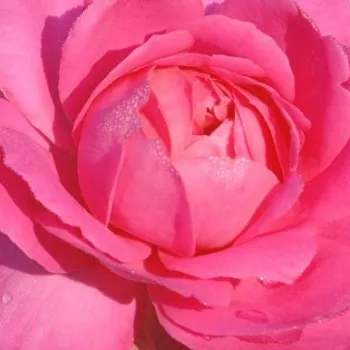
Large, double, cupped blooms with 26–39 petals, borne in clusters on floribunda stems; remontant with a generous second flush when spent blooms are removed to encourage continued flowering. |
| Colour data and phenology |
Strong, saturated vibrant pink (RHS 57C outer, 57D inner), opening as glossy vivid pink then fading to mid‑pink with subtle silvery tones; colour holds well in garden conditions with good retention. |
| Fragrance and aroma |
Very light fragrance with a slightly fruity character; scent usually noticeable only at close range, making it suitable for seating areas where overpowering perfume is not desired. |
| Hip characteristics |
Hip formation generally minimal due to double flowers; occasional tiny hips up to around 3 mm may develop but are not a significant ornamental or wildlife feature on this cultivar. |
| Resistance and winter hardiness |
Rated H7 with hardiness around −23 to −21 °C; documented resistance to black spot, powdery mildew and rust, providing stable health across typical UK climates and reducing chemical interventions. |
| Horticultural recommendations |
Suited to beds, borders, low hedges, containers and cutting; plant 35–65 cm apart depending on effect. Responds well to deadheading and light annual pruning to refresh flowering wood. |
SYLVIE VARTAN offers vibrant pink clusters, compact easy‑care growth and dependable health in a long‑lived own‑root form, making it a thoughtful choice for relaxed, romantic family gardens.