TROMPETER VON SÄCKINGEN – carmine-red historic old garden rose - Geschwind
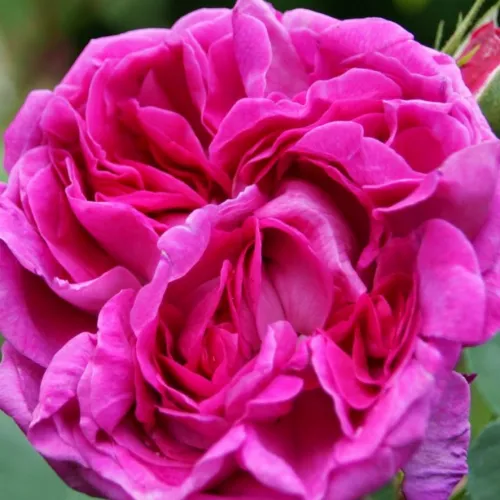
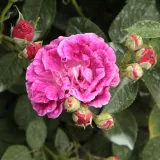
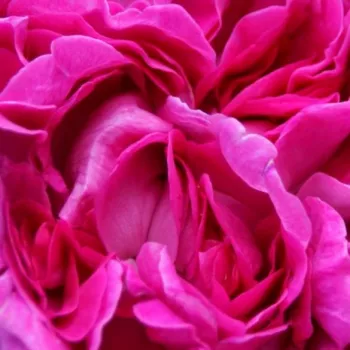
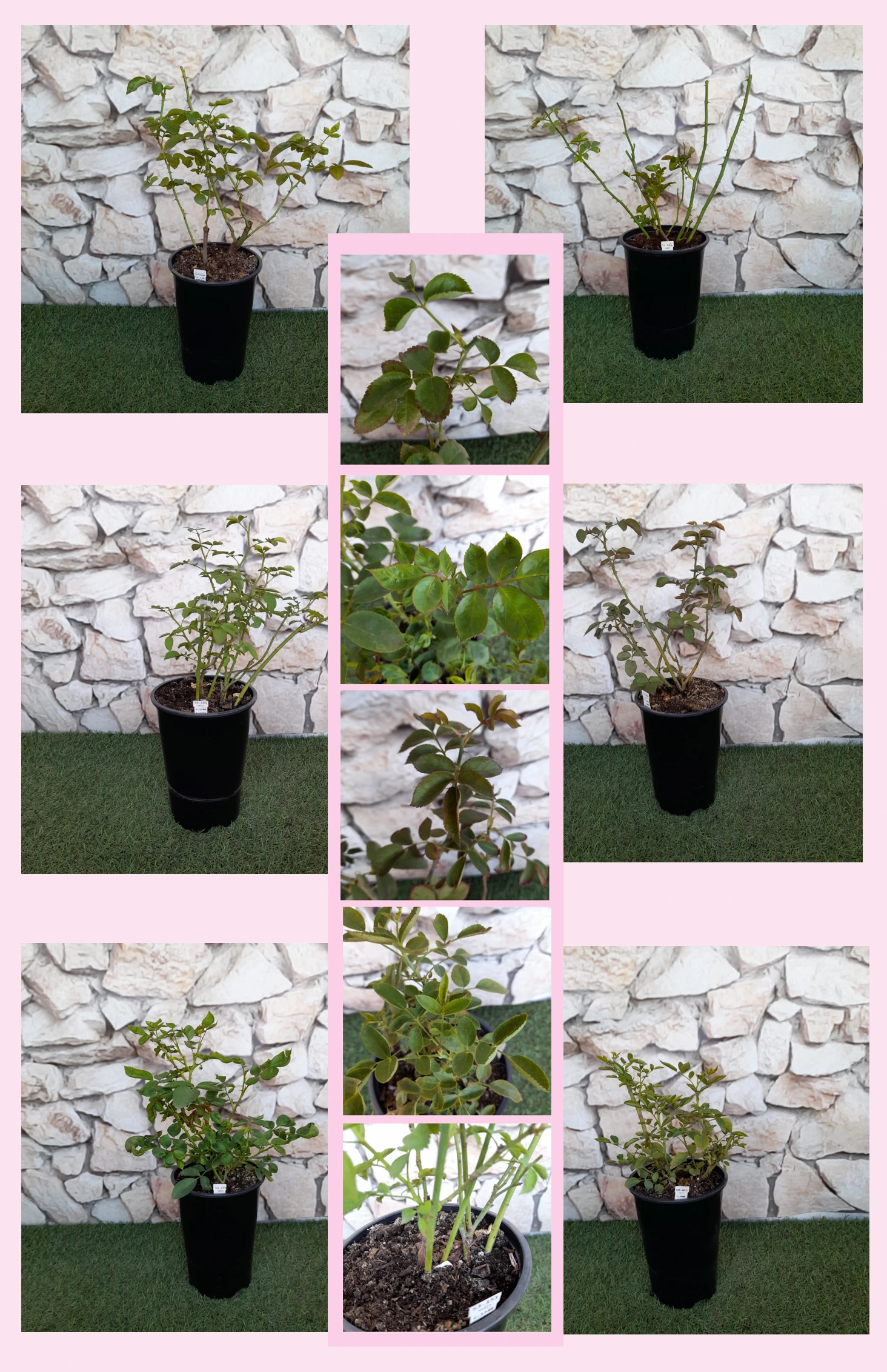
With its carmine-red, storybook blossoms and softly arching rambler habit, TROMPETER VON SÄCKINGEN brings a sense of romantic cottage charm to arbours, pergolas and boundary fences while coping reliably with breezy, rain-washed coastal conditions. This heritage Geschwind rose flowers once, in a memorable summer flush that turns an ordinary family garden into a scene fit for afternoon tea beneath an arbour, then settles into a graceful, dark green backdrop for the rest of the season. On its own roots it offers reassuring longevity and dependable regeneration, so if a stem is damaged or cut back hard it quietly reshoots from the base and restores its outline without drama over the years. The 2‑litre potted form is easy to handle, simple to plant into ordinary soil – including heavier ground improved for drainage – and anchors well for the long term as roots, then stems, then full garden presence build steadily over the first three seasons. Once planted, maintenance is straightforward: light formative pruning after flowering, occasional health checks, and the pleasure of watching its arching canes clothe structures with textured, matt dark foliage that sits harmoniously among kitchen‑garden herbs, traditional hedging and other perennials in a relaxed family setting.
Usage options
| Target area | Reasoning |
|---|
| Family arbour or pergola near a seating area |
Strongly upright, rambler-style growth quickly clothes an arbour or pergola, creating a shaded, intimate nook for summer teatime when the once-a-year flowering peaks in carmine-red clusters. Ideal for those wanting a romantic feature with limited ongoing pruning for beginners. |
| Informal boundary fence in a cottage-style garden |
The long, flexible canes and moderate height allow you to weave this rose through open fencing to form a soft, traditional boundary that still feels neighbourly. Its own-root resilience means gaps can be filled simply by training new shoots, suiting busy homeowners. |
| Park-style specimen in a medium-sized lawn |
Planted as a free-standing specimen with space to arch, it delivers a spectacular early-summer display, then reads as a characterful, matt dark-green shrub for the rest of the year. This single, reliable flowering suits gardeners who prefer impact over fuss, especially hobby-gardeners. |
| Mixed cottage border with perennials and herbs |
The saturated carmine-red flowers and dark foliage sit beautifully among cranesbills, hardy clematis and scented kitchen herbs, reinforcing a relaxed, “girly” English countryside mood. Own-root vigour helps it recover if companions are moved or divided, reassuring for romantic-stylists. |
| Traditional rose walk or heritage collection corner |
As a historical rambler bred by Geschwind, it contributes authenticity and narrative to a heritage planting, with its once-flowering habit echoing older garden rhythms. Its long lifespan on its own roots rewards patient, long-term planning by collectors. |
| Coastal or wind-exposed village garden |
The flexible, sparsely thorned canes and reliable structure adapt well when tied to sturdy supports, forming a stable screen that tolerates typical British showers and breezes without losing its charm in wet, wind-prone conditions valued by seaside-gardeners. |
| Large container on a terrace or courtyard |
In a 40–50 litre or larger container with good drainage, this rose can be trained up an obelisk or wall grid to bring cottage character into paved spaces. The manageable maintenance suits those wanting traditional roses without complex care, particularly urban-owners. |
| Wildlife-friendly corner with hips for seasonal interest |
After flowering, small globular orange-red hips develop, adding late-season colour and modest wildlife value as the garden shifts into autumn. Medium disease resistance and structured growth mean simple, occasional care is enough for nature-lovers. |
Styling ideas
- Arbour-romance – Train over a wooden arbour with a small bistro set beneath, underplanting with cranesbills and low catmint for a hazy lilac carpet – perfect for couples seeking a quiet, storybook retreat.
- Kitchen-border – Let canes fan along a low fence behind rows of rosemary, thyme and parsley, marrying culinary practicality with soft heritage bloom – ideal for home cooks who love traditional garden structure.
- Heritage-walk – Space plants along a grass path with old shrub roses and foxgloves, tying stems to rustic posts and wires – well suited to enthusiasts curating a period-feel rose walk.
- Cottage-screen – Use as a semi-transparent screen between play lawn and compost or utility areas, weaving canes through open trellis – useful for families wanting charm while gently zoning their garden.
- Courtyard-curve – In a large half-barrel container, arc stems around a doorway or window with a light clematis companion – appealing to small-space owners craving an English-cottage entrance.
Technical cultivar profile
| Parameter | Data |
|---|
| Name and registration |
Trompeter von Säckingen is a historical old garden rose from the Heritage rose collection; an unregistered, verified cultivar sold under its established trade and exhibition name. |
| Origin and breeding |
Old rose hybrid Multiflora shrub-rambler bred by Rudolf Geschwind in Austria around 1890, introduced commercially in 1929; parentage details and original distributing nursery are not documented. |
| Growth and structural characteristics |
Strongly upright, rambling climber reaching about 210–350 cm high and 150–250 cm wide, with moderately dense, matt dark green foliage and relatively sparse prickles on long, trainable canes. |
| Flower morphology |
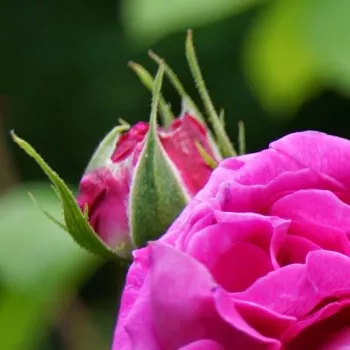
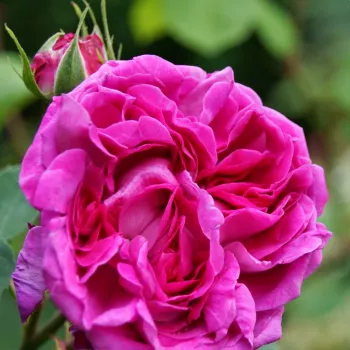
Medium-sized, very full flat blooms with 40+ petals carried in clusters; a once-flowering, non-remontant rambler that produces its main decorative flush in early summer, then sets moderate quantities of hips. |
| Colour data and phenology |
Initially bright carmine-red with deeper edges, gradually fading through crimson to violet-lilac and purple-tinted tones; colour retention is modest, lending a softly antiqued aspect as the flowers mature. |
| Fragrance and aroma |
Delicate, classic rose-like scent rated very faint; fragrance is present but understated, contributing a gentle background note rather than a strong perfume, and best appreciated at close range in still weather. |
| Hip characteristics |
Produces small, spherical orange-red hips around 5–9 mm across; hips appear in moderate numbers and add discreet autumn and early-winter interest when left on the plant in more naturalistic settings. |
| Resistance and winter hardiness |
Winter hardy to approximately −29 to −26 °C (RHS H7, USDA 5a, Swedish zone 4); disease resistance to powdery mildew, black spot and rust is moderate, warranting occasional monitoring and basic care. |
| Horticultural recommendations |
Best on arbours, pergolas, fences and as a park or specimen shrub, spaced 120–220 cm apart; prefers improved soil with reasonable drainage and benefits from light post-flowering pruning when required. |
TROMPETER VON SÄCKINGEN offers a once-a-year carmine-red spectacle, graceful rambler structure and long-lived own-root reliability, making it a thoughtful choice for gardeners planning a traditional, low-fuss focal point.