VILLAGE DE SAINT YRIEIX – lilac hybrid tea rose – Panozzo
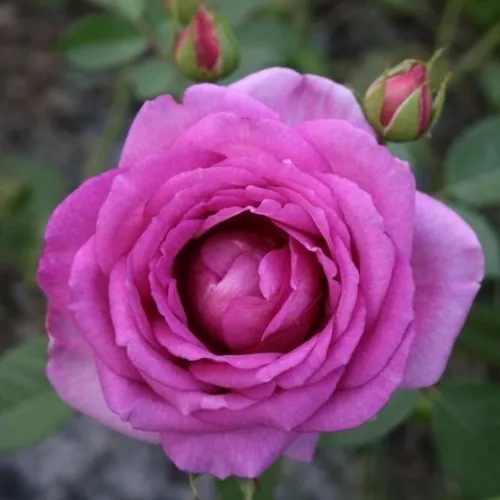
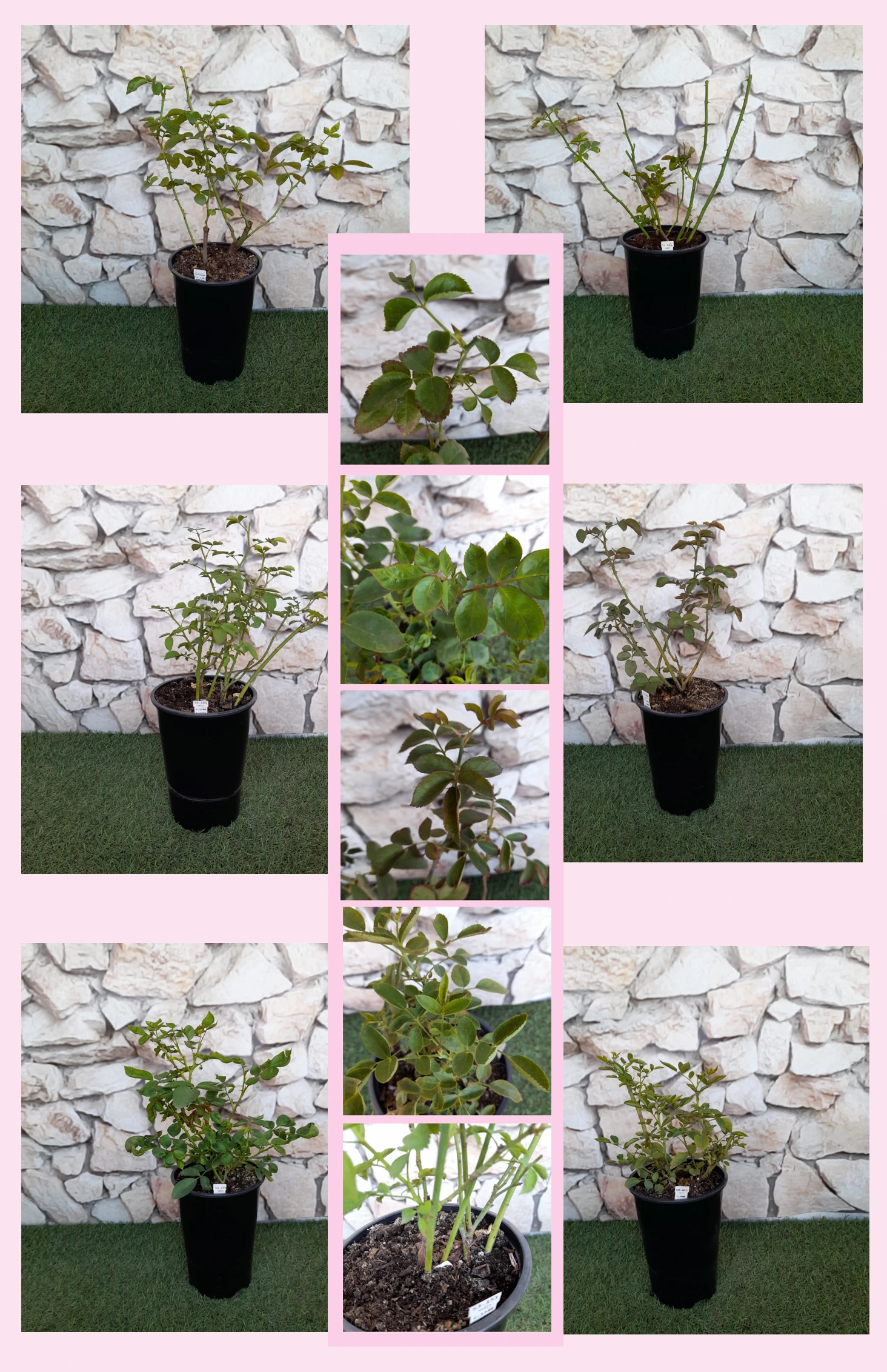
Imagine afternoon tea in a cottage garden, surrounded by romantic lilac blooms: VILLAGE DE SAINT YRIEIX forms a bushy, compact hybrid tea shrub that fits comfortably into an average family plot while still giving XL exhibition‑style flowers. Its powerful, lingering perfume creates a scented focus near a seating area or path, and the dense mid‑green foliage frames every flush for a truly elegant effect. Own‑root growth gives steady, reliable vigour and a long‑lived, durable plant that ages gracefully, regenerating from the base if ever cut back hard. From an easy‑to‑handle 2‑litre container, it settles quickly, rooting securely even where gardens face frequent strong winds and showers near the coast. You can enjoy its remontant flowering pattern through summer, confident that with simple, moderate care this dependable rose will hold its place in your border design. Over the first three years it moves naturally from building roots, to stronger shoots, to its full ornamental presence in the garden.
Usage options
| Target area | Reasoning |
|---|
| Main feature by a seating area |
The combination of XL double blooms and a powerful, long‑lasting perfume makes this rose ideal beside a bench, patio or arbour where you linger over tea. Its remontant habit means repeat flushes through the season for steady visual and sensory enjoyment. This suits those who like to unwind outdoors, especially beginners. |
| Small to medium front gardens |
The bushy, compact habit keeps the plant in proportion with typical UK front gardens, giving structure without overwhelming the space. Glossy mid‑green foliage reads clean and tidy from the street, and the refined lilac colour adds cottage charm without clashing with brickwork or paths. This is well suited to busy householders and homeowners. |
| Cottage‑style mixed border |
Its soft lavender‑lilac tone blends smoothly with pinks, whites and mauves, helping create a storybook cottage border with perennials and herbs. The solitary, cupped blooms rise just above the foliage, giving clear focal points among looser companions and keeping the scheme harmonious over multiple seasons. A good option for romantic‑style gardeners. |
| Cut‑flower corner in a kitchen garden |
Hybrid tea form and long, straight stems lend themselves to cutting for vases, while the scent fills indoor spaces. Planting a short row near the veg patch gives reliable, high‑quality blooms for the house without needing a dedicated rose garden, adding value to practical plots. This appeals to those who enjoy home‑grown bouquets, particularly families. |
| Containers on terrace or balcony |
The compact structure and dense foliage mean it performs well in large containers where space is limited. Planted in a 40–50 litre pot with good drainage, it develops a strong own‑root system that supports flowering and longevity, ideal for paved terraces or balconies with no open soil. This suits time‑pressed urban residents. |
| Exposed or coastal gardens |
A solid, bushy framework helps the plant stay steady where gardens experience brisk breezes, allowing the flowers to present well despite unsettled weather. Once rooted in, the shrub anchors firmly, making it a reliable choice for slightly more open, wind‑touched sites that still aim for a romantic look. A reassuring option for coastal‑edge owners. |
| Low‑maintenance family borders |
Moderate care needs and own‑root resilience mean no complex regime is required, just routine feeding, watering and simple pruning. Over time the plant matures into a stable, long‑lived feature with consistent bloom quality, supporting a family garden that must cope with everyday life while still looking cared‑for. Ideal for busy household gardens. |
| Clay or chalk garden beds with improved soil |
Planted into well‑prepared holes or raised sections with added organic matter, this rose develops a deep, resilient own‑root system that copes with typical British conditions, including periods of rain and heavier ground. Once established, it offers dependable flowering in average plots that are not perfect but well tended. This is reassuring for practical, planning‑minded buyers. |
Styling ideas
- Arbour‑nook – Train a pair of bushes at the entrance to a small seating nook, underplant with soft pink geraniums and white campanulas for a tea‑time hideaway – for lovers of intimate cottage corners.
- Kitchen‑jug – Grow a short cutting row with herb edging; combine cut stems with dill, mint and larkspur in simple jugs on the table – for home cooks who enjoy bringing the garden indoors.
- Twilight‑border – Set it among mauve catmint, silver lamb’s ear and dusky salvia so the lilac blooms glow at dusk – for those who sit out on patios in the evening.
- Front‑gate – Plant two or three shrubs by the gate with white foxgloves and pink astrantia for a welcoming, storybook entrance – for families wanting a traditional village‑garden feel.
- Pot‑parlour – Use a single rose in a 50‑litre terracotta pot with trailing thyme and pale violas around the rim – for balcony and courtyard gardeners with limited soil.
Technical cultivar profile
| Parameter | Data |
|---|
| Name and registration |
Hybrid tea rose; registered as PANcity, marketed as VILLAGE DE SAINT YRIEIX – lilac hybrid tea rose – Panozzo; commercial type and group both hybrid tea rose. |
| Origin and breeding |
Bred by Bernard Panozzo, Roseraies Panozzo, France; parentage unknown; introduced and registered in 2010, initially distributed by Pépinière Leroi and Le Star de Doué. |
| Growth and structural characteristics |
Bushy, compact shrub reaching about 70–90 cm in height and 50–70 cm spread, with dense, glossy mid‑green foliage and a moderate number of thorns along the shoots. |
| Flower morphology |
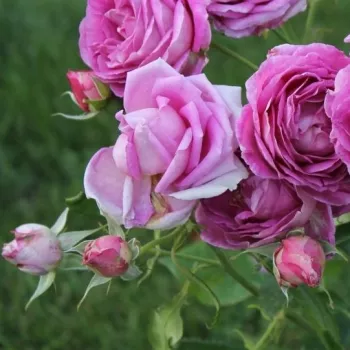
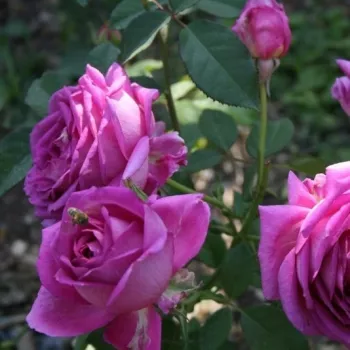
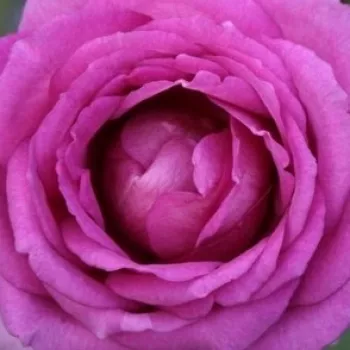
Very large, solitary, cupped blooms with 26–30 petals, fully double; classic hybrid tea form with remontant flowering and a particularly abundant second flush in suitable conditions. |
| Colour data and phenology |
Closed buds deep purple with silvery tips; flowers open bright purplish‑lavender, maturing to soft lilac and finally silvery‑lilac with translucent, frosted margins; RHS 76A outer, 75B inner. |
| Fragrance and aroma |
Powerful, long‑lasting perfume of classic rose character; no detailed aroma profile recorded, but notably strong compared with many modern hybrid teas, especially around full bloom. |
| Hip characteristics |
Hip set generally sparse because of the double flowers; when present, hips are ovoid, orange‑red, about 12–18 mm in diameter, maintaining a discreet autumnal ornamental interest. |
| Resistance and winter hardiness |
Hardy to approximately −21 to −18 °C (RHS H7, Swedish zone 3, USDA 6b); disease resistance moderate, with average tolerance to powdery mildew, black spot and rust under normal care. |
| Horticultural recommendations |
Medium maintenance; benefits from regular feeding and occasional plant protection. Recommended spacing: 40 cm for mass planting, 35 cm for hedging, 65 cm as a specimen; consider square or hexagonal layouts. |
VILLAGE DE SAINT YRIEIX offers compact structure, powerful scent and long‑lived own‑root reliability, making it a thoughtful choice for those planning a quietly romantic, enduring garden feature.