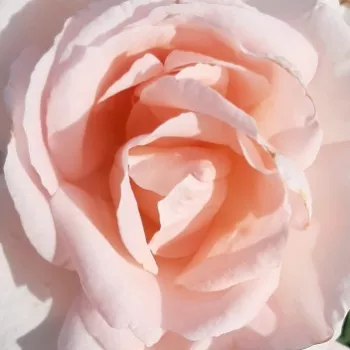
VILLE DE FONTENAY-AUX-ROSES – peach-pink hybrid tea rose – Orard
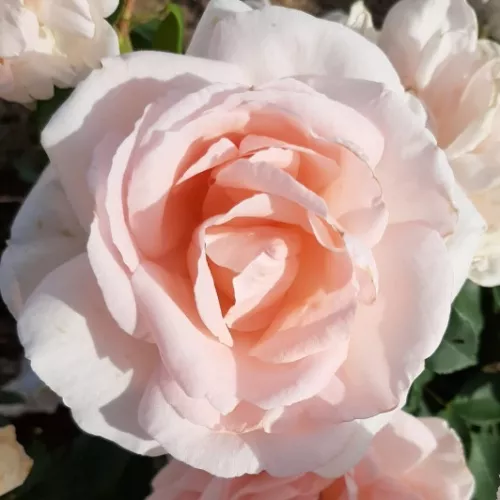
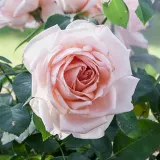
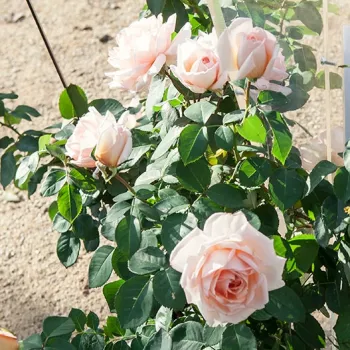
With its refined, high‑centred blooms and pastel peach‑pink petals, VILLE DE FONTENAY-AUX-ROSES creates a softly romantic focus in an everyday family garden. This hybrid tea offers reliable rebloom right through summer, so your seating area, path or cottage-style border never feels bare. Bushy, upright growth makes it easy to place in small spaces, while its medium maintenance needs suit busy gardeners who still appreciate well-shaped, cut-worthy flowers. As an own-root rose it quietly secures a long lifespan, regenerating well after pruning and building stable beauty year after year. It copes reliably with blustery, wet British spells when planted in soil that avoids prolonged waterlogging, ideal where gardens are exposed to persistent winds. The mild, fruity fragrance, good disease resistance and strong, straight stems for indoor arrangements together evoke the pleasure of unhurried afternoon tea beneath a rose-covered arbour.
Usage options
| Target area | Reasoning |
|---|
| Feature rose near terrace seating |
The classic hybrid tea shape and generous flower size give this rose the presence you expect beside a terrace table or bench, without overwhelming a small family space. Regular summer rebloom keeps the view interesting during everyday use and relaxed gatherings for hobby gardeners. |
| Cutting patch or kitchen garden border |
Long, straight stems with high-centred, double blooms make it particularly good for cutting, bringing pastel peach-pink flowers indoors. The petals hold their shape and colour well in the vase, letting you enjoy home-grown arrangements from late spring into autumn for homeowners. |
| Romantic cottage-style front garden |
The bushy, upright habit fits neatly among perennials and low hedging, giving a traditional cottage frontage a refined, storybook note. Medium care needs mean you can keep structure and form without complex pruning techniques, ideal for beginners. |
| Own-root rose for long-term planting |
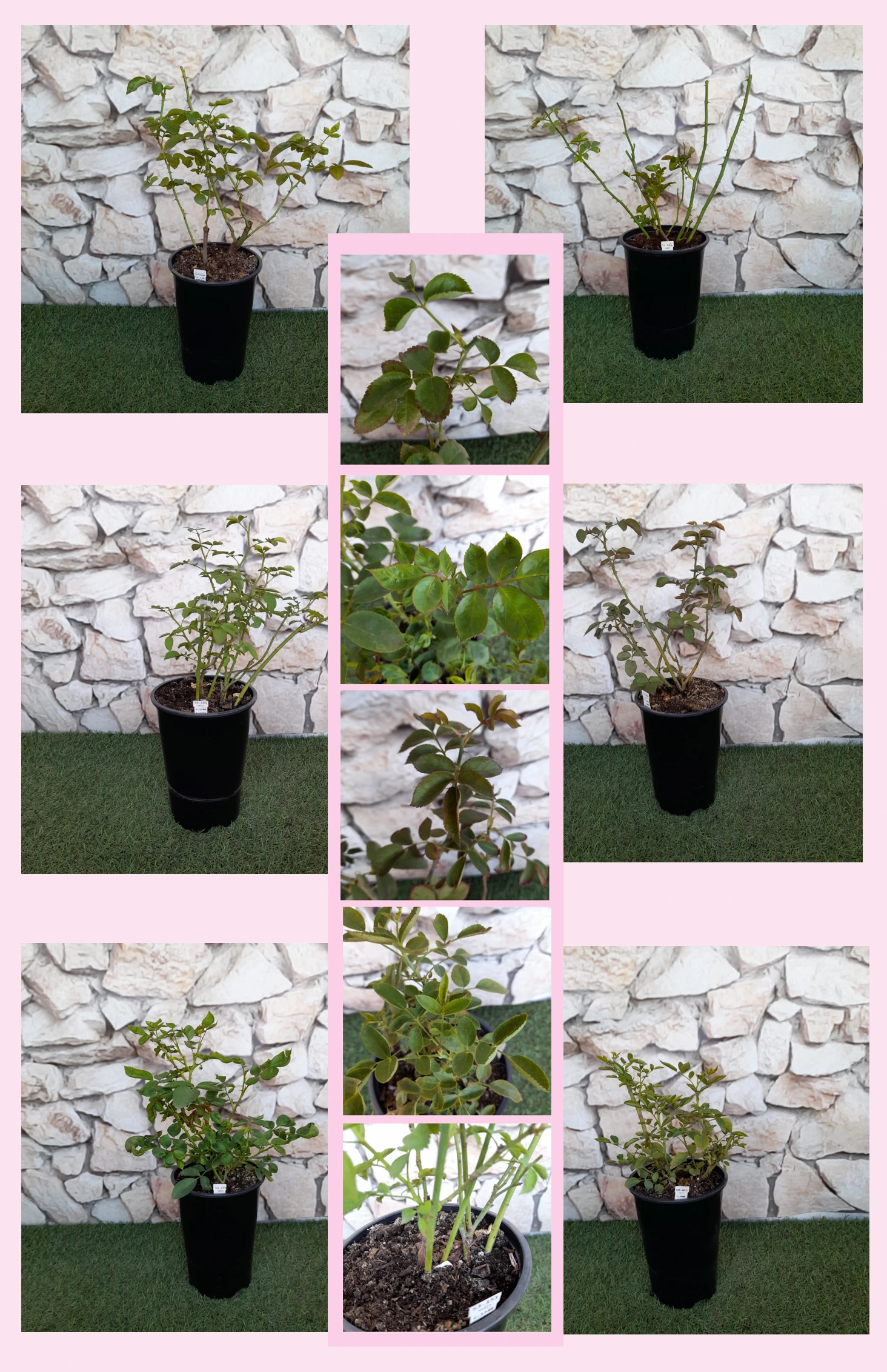
Supplied on its own roots, this variety establishes steadily and then reshoots reliably after harder pruning or weather damage. Over the first years it focuses on root, then shoot, then full ornamental development, building a stable, long-lived presence for family buyers. |
| Containers and large patio pots |
The moderate height and bushy framework adapt well to a substantial container, provided you choose a volume of at least 40–50 litres and water consistently. This lets you enjoy hybrid tea blooms on balconies, terraces and small paved gardens for urban gardeners. |
| Small mixed flowerbed in family garden |
Its compact spread and repeat flowering make planning simple in modest borders, where every plant must earn its place. The pastel peach-pink blends easily with other cottage favourites, avoiding clashes and providing a calm backdrop to play or relaxation for young families. |
| Exposed but drained garden positions |
Once rooted, the bushy, upright structure stands up well to everyday breezes and showers, so it suits ordinary British suburbs and more open plots, as long as the soil drains reasonably and does not stay saturated after rain, useful for coastal owners. |
| Low-input yet healthy rose display |
Targeted breeding has given it resistant foliage against black spot and powdery mildew, so only occasional checks and interventions are usually needed. This keeps maintenance manageable while still providing clean leaves and attractive blooms for busy gardeners. |
Styling ideas
- Pastel-Tea-Corner – Plant beside a bistro table with soft blue campanulas and white dwarf lavender to echo the flower’s peach-pink tones – ideal for homeowners who enjoy quiet afternoon tea outdoors.
- Cottage-Ribbon – Use in a narrow border with foxgloves, lady’s mantle and bearded iris to frame a path with gentle vertical accents – suited to lovers of traditional English cottage gardens.
- Patio-Showpiece – Grow one plant in a 50‑litre terracotta pot with trailing thyme at the rim to soften the base – perfect for urban gardeners working with balconies or paved courtyards.
- Kitchen-Cut-Row – Line a vegetable garden edge with a short run of bushes, interplanted with chives and echinacea for colour and easy cutting material – appealing to those who like ornamental-kitchen garden blends.
- Soft-Hedging – Create a low, gently formal hedge along a drive or front path, spacing plants regularly and underplanting with low catmint – attractive for families wanting structure without harsh lines.
Technical cultivar profile
| Property | Data |
|---|
| Name and registration |
Hybrid tea rose registered as ORAlivi; marketed as VILLE DE FONTENAY-AUX-ROSES Hybrid tea rose ORAlivi, acknowledging the historic French rose town of Fontenay-aux-Roses. |
| Origin and breeding |
Bred by Pierre Orard and introduced by Roseraies Orard, France, in 2017; hybrid tea type with unknown parentage, selected for refined form and garden performance. |
| Growth and structural characteristics |
Bushy, upright shrub typically 75–105 cm tall and 45–75 cm wide; moderately dense, matt dark green foliage with moderate prickliness, forming a tidy, compact framework. |
| Flower morphology |
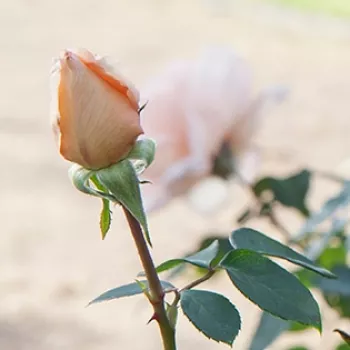
Large, high-centred, pointed buds opening to fully double, solitary blooms with roughly 26–39 petals; classic exhibition-style hybrid tea flowers for both garden display and cutting. |
| Colour data and phenology |
Pastel peach-pink overall; soft pink buds develop warmer peach-pink tones, then fade to pale rose-cream with slight yellow at petal bases; good colour retention through repeat flushes. |
| Fragrance and aroma |
Delicate, fresh, fruity scent with a restrained intensity; noticeable at close range without overwhelming nearby seating areas, complementing the refined visual character of the blooms. |
| Hip characteristics |
Hip set is generally low due to the full double form; when present, produces small, ellipsoidal orange-red hips about 10–14 mm in diameter, mainly of ornamental curiosity. |
| Resistance and winter hardiness |
Rated hardy to about –21 to –18 °C (RHS H7, USDA 6b); good resistance to black spot and powdery mildew, medium rust susceptibility, with moderate heat tolerance if watered during dry spells. |
| Horticultural recommendations |
Best in full sun with reasonable drainage; plant 35–40 cm apart for hedges or beds, 65 cm as specimens; suitable for containers, terraces, balconies and cutting, with medium maintenance needs. |
VILLE DE FONTENAY-AUX-ROSES offers refined, repeat-flowering blooms, compact garden-friendly growth and promising health on a durable own-root framework, making it a thoughtful choice for long-term, romantic planting schemes.