VILLE D'ETTELBRUCK – dark red bedding shrub rose – Lens
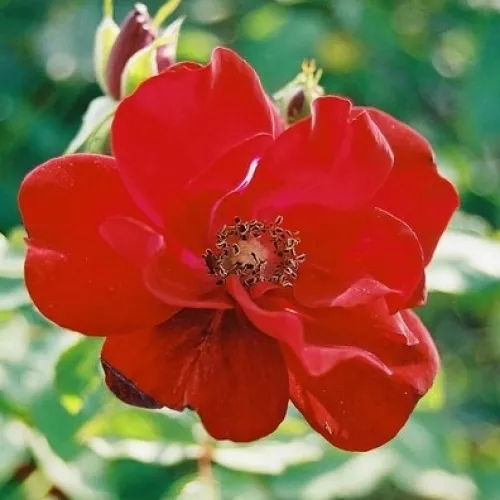
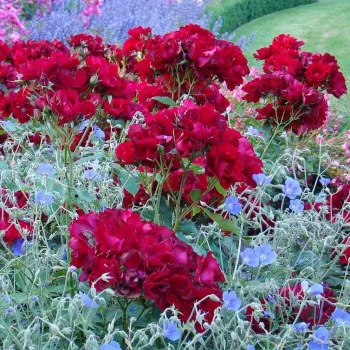
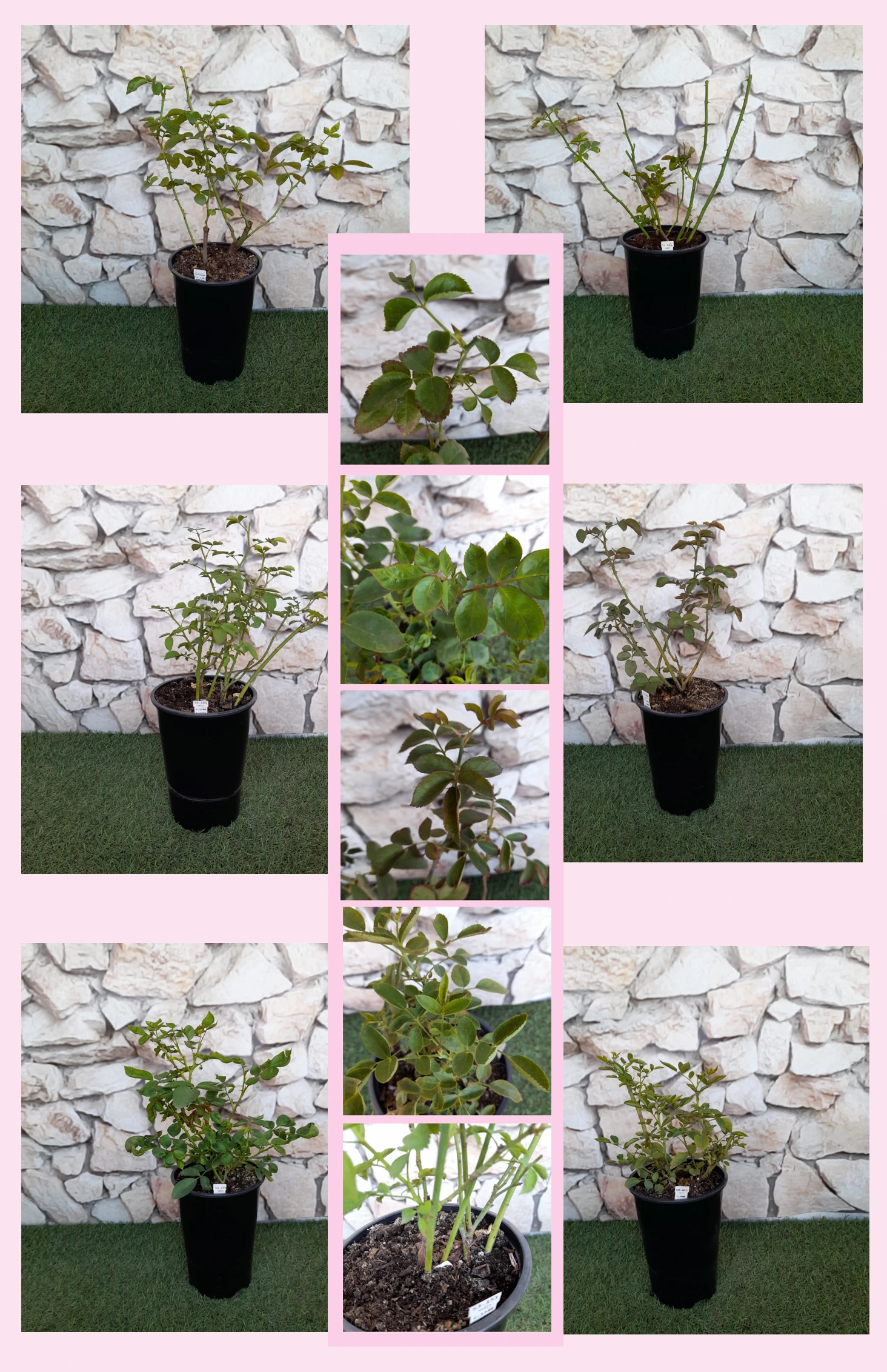
Create a corner of afternoon romance with Ville d’Ettelbruck, a modern shrub rose that brings glowing, blood-red clusters to cottage-style borders and family gardens with reassuring reliability. This own-root, 2‑litre plant settles quickly, forming a stable, long-lived framework that shrugs off typical replanting worries and supports easy, low-stress maintenance. Its upright, bushy habit is ideal for modest front gardens or path-side beds where you want structure and colour without fuss, even when gardens face strong winds and need good anchoring in exposed, breezy positions. Summer displays arrive in generous flushes, followed by decorative hips if you prefer to skip deadheading for a more natural look. Over the seasons the plant matures steadily, with roots establishing first, then stronger shoots, and by the third year delivering its full ornamental impact. Medium disease resistance, especially to black spot, supports dependable health in humid British conditions, while its semi-double blooms offer accessible pollen for visiting bees, adding subtle wildlife value to your garden storybook setting.
Usage options
| Target area | Reasoning |
|---|
| Front-of-border in a cottage-style flower bed |
The upright yet bushy habit and medium height let Ville d’Ettelbruck sit comfortably towards the front or middle of a cottage border, giving a structured, traditional look. Repeat-flowering clusters keep colour near eye level through summer and early autumn, ideal for those seeking an easy romantic focal point for family-garden owners. |
| Low rose hedge along a path or drive |
Planted at 50–60 cm intervals, this variety forms a coherent, informal hedge with glossy dark foliage and plentiful blood-red blooms, guiding the eye and softly framing paths. Moderate prickliness helps define boundaries without being overly aggressive, suiting those wanting a manageable, classic hedge for busy homeowners. |
| Mixed planting with perennials in a small urban garden |
Its compact spread and upright structure leave room for herbs and perennials such as calamint and dwarf asters, creating a layered look in smaller plots. Medium maintenance and solid black spot resistance make it practical for city gardens where time and space are limited, appealing to urban-beginner gardeners. |
| Feature shrub near a seating area or arbour |
Repeated flushes of rich red flowers and light fragrance provide a gentle backdrop to outdoor seating without overwhelming close spaces. The semi-double flowers feel informal and relaxed, supporting the idea of afternoon tea beneath an arbour for those who favour cosy charm, perfect for cottage-style enthusiasts. |
| Mass planting in a front garden bed |
When planted in groups at the recommended density, Ville d’Ettelbruck creates a continuous carpet of colour, with coordinated height and habit giving a well-kept appearance with minimal shaping. This is ideal for homeowners wanting strong kerb appeal from a robust, long-lived planting, suiting practical-style buyers. |
| Naturalistic corner with hips left for autumn interest |
If deadheading is reduced later in the season, the plant forms small red hips that add texture and seasonal interest after flowering has eased. This extends visual value beyond summer without extra work, and offers gentle wildlife benefit, matching the needs of low-maintenance gardeners. |
| Own-root specimen for long-term planting in family gardens |
As an own-root shrub, conversion from graft to sucker is not a concern, and recovery from weather or pruning is generally more predictable. Over years, this supports a longer, steadier garden presence with fewer replacements, ideal for those planning perennial structure around a busy life, especially long-term planners. |
| Large patio container near kitchen or back door |
In a container of at least 40–50 litres with good drainage, this rose offers reliable colour close to the house where soil may be poor or paved. Regular watering during dry spells is usually sufficient, and its medium maintenance suits gardeners who prefer straightforward, contained tasks, especially time-pressed beginners. |
Styling ideas
- Storybook-border – Combine Ville d’Ettelbruck with calamint and dwarf Michaelmas daisies for a soft, romantic cottage edge that flowers from summer into autumn – ideal for traditional front-garden owners.
- Red-avenue – Plant a low row along a drive or front path, underplanted with low herbs, to create a simple, repeat-flowering welcome – suited to families wanting impact without complex design.
- Tea-corner – Place a pair in large containers flanking a bench or small arbour, where repeated clusters and light scent frame relaxed afternoon seating – perfect for those seeking a cosy retreat.
- Kitchen-garden – Use as a backdrop to vegetable beds and herbs, where its neat habit and own-root resilience give reliable structure among productive planting – good for cottage-plot gardeners.
- Village-square – Group several plants in a single bed for a park-style, massed effect that stays tidy with basic pruning and watering – suitable for homeowners who like an ordered, classic look.
Technical cultivar profile
| Parameter | Data |
|---|
| Name and registration |
Ville d’Ettelbruck (LENivill), Modern Shrub, bed rose type; ARS exhibition name Ville d’Ettelbruck. Part of the Bedding rose collection and supplied here as an own-root, 2‑litre container-grown plant. |
| Origin and breeding |
Bred by Louis Lens in Belgium (1981) from ‘Satchmo’ × ‘Skyrocket’; introduced in 1983 by Lens Roses NV / Pépinières Louis Lens SA. A well-proven garden shrub rose with an established track record. |
| Awards and recognition |
Bronze medal at the Baden‑Baden International Rose Competition in 1982, reflecting strong ornamental value and garden performance tested under Central European conditions. |
| Growth and structural characteristics |
Upright, bushy shrub reaching around 110–150 cm in height with a 65–95 cm spread. Dense, glossy dark green foliage and moderate prickles; medium self-cleaning with some spent blooms persisting on the stems. |
| Flower morphology |
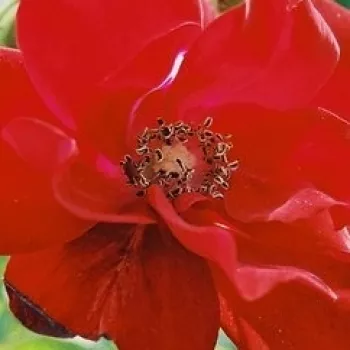
Semi-double, flat blooms of medium size (approx. 4–7 cm), typically produced in clusters. Petal count approximately 13–25 per flower, with good remontant behaviour and an abundant second flush later in the season. |
| Colour data and phenology |
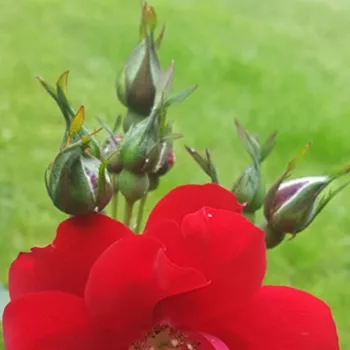
Vivid dark red, blood-red tones (RHS 53A outer, 53B inner) with a velvety look. Buds are deep burgundy; colour may darken slightly then lighten in strong sun, giving a rich, lively effect through the flowering cycle. |
| Fragrance and aroma |
Light, delicate fragrance of restrained character, noticeable at close range but not overpowering. Semi-double flowers with exposed stamens offer partially pollinator-friendly value in mixed wildlife-conscious plantings. |
| Hip characteristics |
Produces small spherical red hips, around 8–12 mm in diameter, in moderate numbers when flowers are not deadheaded; adds discrete late-season interest and potential food for birds in informal plantings. |
| Resistance and winter hardiness |
Rated to approximately −21 to −18 °C (RHS H7, USDA 6b, Swedish Zone 3). Disease resistance overall medium, with good black spot resistance and moderate tolerance to powdery mildew and rust in typical UK climates. |
| Horticultural recommendations |
Best in a sunny position with reasonable soil; water during prolonged dry spells. Recommended spacing 50–60 cm in beds or hedges, 90 cm as a specimen. Suitable for flower beds, parks, urban greens and family gardens. |
VILLE D'ETTELBRUCK offers reliable repeat flowering, a compact, hedge-friendly habit and long-term own-root resilience; consider it if you want lasting red colour with straightforward care.