| Front-of-border feature in a cottage-style bed |
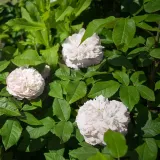
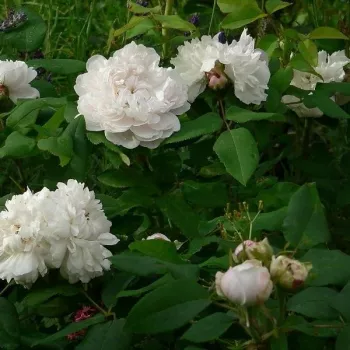
The bushy, upright structure forms a rounded shrub that sits neatly at the front or mid-front of a mixed border, giving clear shape without appearing rigid. Its historic character and refined, very double rosettes provide an instant cottage feel even in newer gardens, well suited to those who like traditional planting but prefer a manageable, human-scale shrub that does not overshadow paths or seating areas, especially romantic-homeowners. |
| Near patios, doors, and seating for scent enjoyment |
The very strong old-rose aroma is most rewarding where you pass close by: beside a back door, small terrace, or favourite bench. Positioned in these spots, the blooms create a “perfume corner” that feels indulgent yet simple to achieve, turning everyday transitions in and out of the house into small moments of pleasure and helping beginners appreciate scented roses without needing a large collection, ideal for busy-gardeners. |
| Lightly shaded corners and east- or north-facing aspects |
This variety tolerates partial shade, so it can flower reliably where many other roses become sparse and disappointing. Used along the shadier side of a house, fence, or shed, it softens harder lines and keeps the romantic theme consistent across the garden, making awkward aspects feel intentional and designed rather than neglected, particularly supporting space-limited-owners. |
| Low, traditional rose hedge along paths or lawns |
Planted in rows at the recommended distances, the dense branching and matte dark leaves combine into a soft-textured, low hedge that defines spaces without needing precise clipping. The repeated white blooms read as a continuous line of colour through much of the season, allowing you to edge lawns, driveways, or kitchen gardens in a way that feels both formal and welcoming for family-gardeners. |
| Cutting patch for small, classic indoor arrangements |
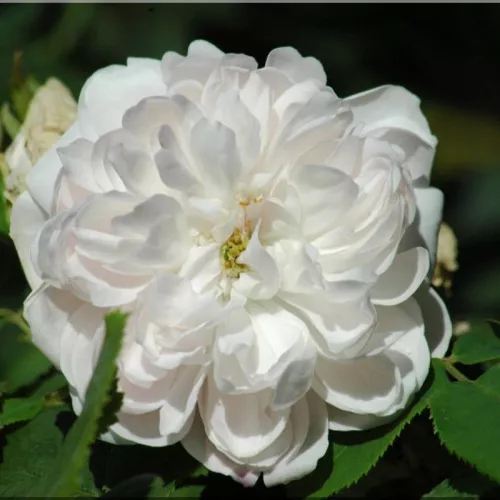
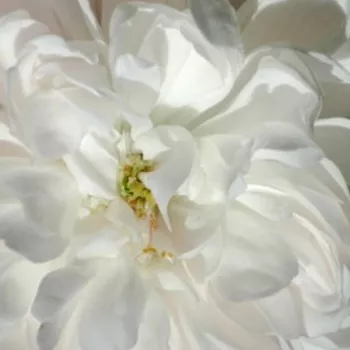
The large, very double rosette flowers look luxurious in jugs and vases, and their strong fragrance carries beautifully indoors. Growing a few shrubs in a dedicated cutting row or within a mixed border supplies regular stems for kitchen-table bouquets, letting you enjoy the same plant both outside and inside, particularly appreciated by cottage-style-enthusiasts. |
| Containers and large pots on terraces or balconies |
The bushy habit and moderate height suit cultivation in substantial containers of at least 40–50 litres, where roots have room to develop and support repeat flowering. In pots, the plant can be brought close to seating or entrances, giving small outdoor areas a traditional rose presence without permanent planting, ideal for urban spaces and renters who still value a classic look for city-dwellers. |
| Mixed borders in exposed or breezier family gardens |
Once established on its own roots, this shrub anchors itself securely and forms a stable framework, so it copes better with breezy, open plots and family gardens that experience gusts, offering a reassuring backbone of structure despite moving air and frequent use by children and pets, especially helpful for coastal-households. |
| Wildlife-tinged cottage beds with seasonal interest |
If you allow some spent flowers to form, the plant produces moderate, spherical red hips that decorate the bush into autumn, extending interest after peak bloom. Combined with its repeat white flowers through summer, this gives a gentle seasonal rhythm that feels natural rather than formal, aligning well with relaxed, storybook planting for nature-lovers. |