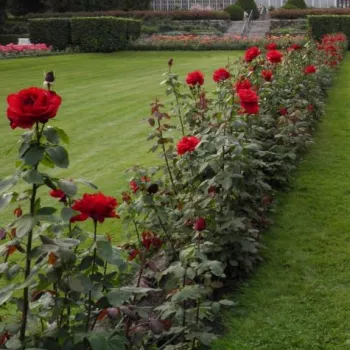
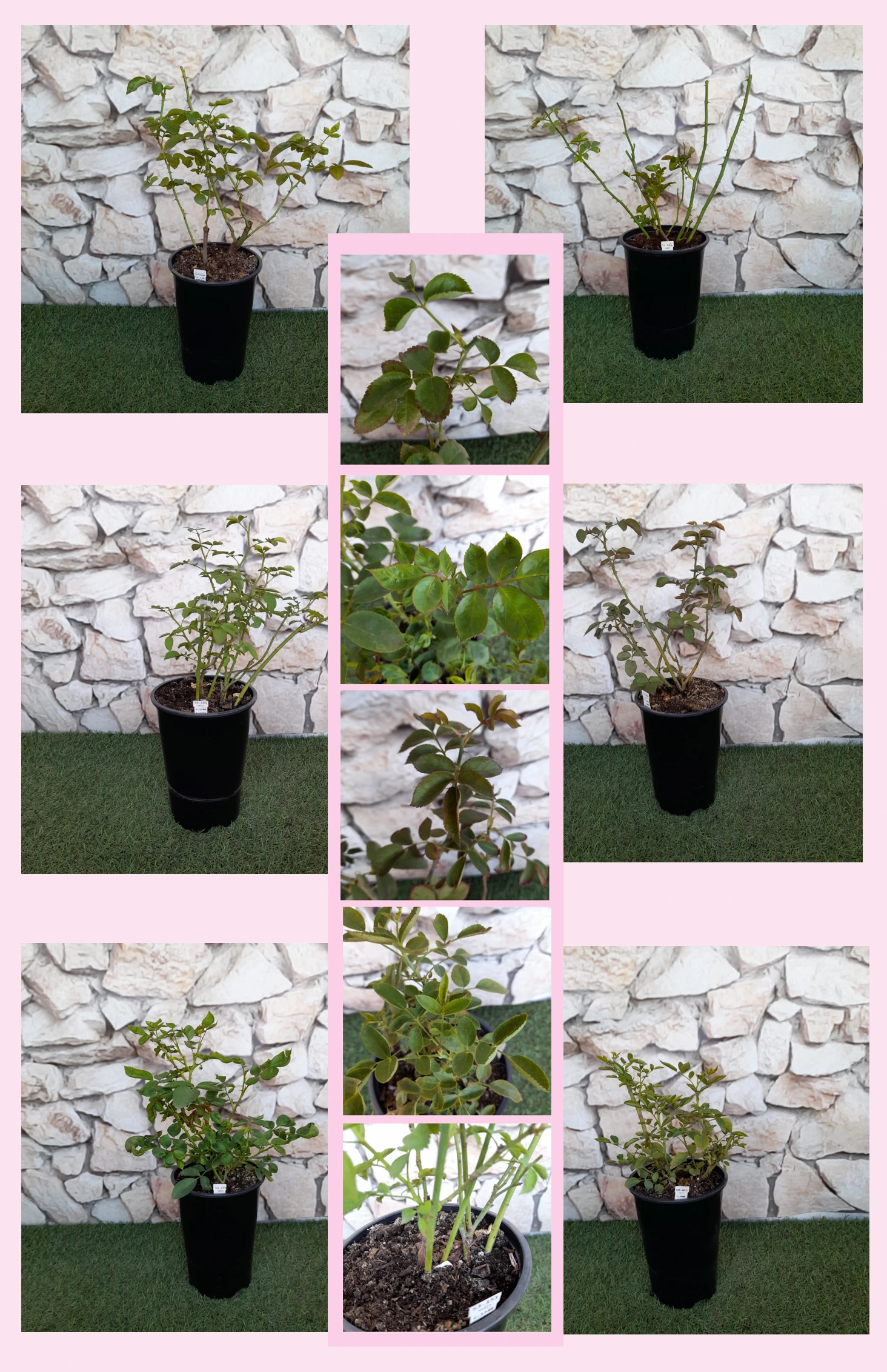
Zora – hybrid tea rose
In a small family garden or cottage-style border, Zora brings a quietly romantic presence with its vibrant scarlet-red, high‑centred blooms that sit neatly on a bushy, compact habit. This own‑root rose is bred for resilience, combining reliable health with low maintenance, so you can enjoy the storybook charm of repeated flushes of flowers rather than constant tasks. Well suited to typical British conditions, it copes reassuringly with exposed spots where frequent rain and coastal winds might test less robust roses, providing season-long colour on a sturdy framework. Over time, its own‑root structure supports a particularly long lifespan, steady regrowth after pruning or weather damage, and a stable, mature structure that anchors the planting. In a 40–50 litre container or a narrow bed, it offers a practical way to frame an arbour or patio with a relaxed, afternoon‑tea atmosphere.
Usage options
| Target area | Reasoning |
|---|
| Front-of-border feature in a cottage-style family garden |
Zora’s bushy, compact structure and moderate height form a tidy, reliable focal point that sits comfortably at the front or mid‑front of a border, giving clear flower display without swamping neighbouring perennials; ideal for romantic cottage planting where structure must stay manageable for busy homeowners. |
| Low-maintenance rose bed for beginners |
With good resistance to black spot, mildew and rust, this cultivar is well suited to those who prefer simple, once‑a‑year pruning and occasional feeding rather than intensive spraying, offering dependable flowering with minimal intervention for novice gardeners. |
| Mass planting along a path or driveway |
Planting 4–5 plants per square metre creates a rhythmic, repeat pattern of scarlet blooms, while the recommended 40–50 cm spacing helps each plant knit into a dense, coherent hedge‑like ribbon of colour that reads clearly from a distance for family gardens. |
| Feature rose in a large container on terrace or patio |
In a 40–50 litre pot with good drainage, the compact spread and upright habit make Zora easy to manage near seating areas, where its restrained fragrance and tidy silhouette add elegance without demanding frequent clipping, perfectly suiting urban balconies. |
| Long-term structural rose in a mixed shrub border |
Own‑root growth allows Zora to rebuild from its base after harsh winters or harder pruning, giving a stable framework that persists year after year, helping maintain the overall shape and rhythm of a mixed border without replanting for long-term planners. |
| Romantic colour accent near seating or “afternoon tea” corners |
The vivid scarlet‑to‑deep‑red blooms read strongly against greenery and traditional materials such as brick or timber, bringing a cosy, storybook feel around benches or arbours while the mild scent remains pleasantly unobtrusive for outdoor hosts. |
| Hedge-like edging for kitchen or cutting garden |
Recommended distances of around 40–50 cm allow Zora to form a low, defined edge that frames vegetable or cutting beds, offering a steady supply of classic, high‑centred stems suitable for simple indoor arrangements for cottage gardeners. |
| Exposed sites with regular rain or coastal breezes |
Its resilient framework and disease resistance make Zora a pragmatic choice for gardens where wet, breezy weather might challenge more delicate roses, ensuring the border keeps its colour and form even in demanding positions for practical owners. |
Styling ideas
- Cottage-Romance Border – Combine Zora with pink Verbena hastata and soft meadow grasses to create a hazy, romantic edge where its compact habit keeps the structure neat – suited to lovers of traditional cottage style.
- Kitchen-Garden Frame – Plant as a loose edging around raised vegetable beds, repeating clumps at recommended spacing so the red blooms give a smart yet easy-care frame – ideal for home growers who like orderly layouts.
- Container Parlour – Use a single plant in a 40–50 litre clay pot near a bench, underplanted with trailing thyme for a calm, scented corner that stays manageable – perfect for small patios and town gardens.
- Soft-Contrast Drift – Weave Zora through drifts of pale Physostegia and white perennials, letting the scarlet flowers punctuate a light palette while its bushy shape anchors the planting – for those seeking gentle structure.
- Low Hedge Accent – Line a path with regularly spaced plants to form a low, blooming hedge whose consistent height and form guide the eye – well suited to families wanting simple, formal definition.
Technical cultivar profile
| Property | Data |
|---|
| Name and registration |
Zora is a hybrid tea shrub rose sold as Zora Hybrid tea rose BOZvaz012, part of the darinaROSE ORIGINAL range, with premium silver quality rating and verified cultivar authenticity for home gardens. |
| Origin and breeding |
Parentage and original breeder data are unknown; the cultivar was discovered and introduced by PharmaRosa in Hungary, entering the garden trade in 2018 as a reliable consumer garden rose. |
| Growth and structural characteristics |
Bushy shrub reaching about 70–95 cm high and 60–80 cm wide, moderately thorny, with mid‑green, matt foliage of medium density, forming a compact, well‑filled outline suitable for small borders and containers. |
| Flower morphology |
Classic hybrid tea, with solitary, high‑centred buds and double flowers bearing 26–39 petals, large bloom size around 7–10 cm, and strong remontancy providing a profuse second flush after the main flowering. |
| Colour data and phenology |
Colour ranges from bright scarlet red on opening to a uniform medium‑deep red at full bloom, later softening with raspberry‑crimson overtones; outer petals may show a darker, velvety margin before gradual fading. |
| Fragrance and aroma |
Fragrance is mild and discreet rather than dominant, with a soft, restrained character that complements seating or dining areas where a gentle background scent is preferred over strong perfume. |
| Hip characteristics |
Occasionally forms small rose hips around 10–15 mm in diameter, generally sparse and not a dominant ornamental feature, but adding modest seasonal interest where plants are left un-deadheaded in autumn. |
| Resistance and winter hardiness |
Rated resistant to powdery mildew, black spot and rust, with hardiness approximately to −21 to −18 °C (RHS H7, USDA 6b, Swedish zone 3), suitable for most UK regions with normal garden protection. |
| Horticultural recommendations |
Best at 40–75 cm spacing depending on use; thrives in well‑drained soil with regular feeding, responding well to standard shrub‑rose pruning and suiting low‑maintenance planting schemes in family gardens. |
Zora offers compact structure, disease resistance and long-term own-root resilience, making it a practical yet romantic choice for family gardens where an easy, enduring rose is desired.